
Artist Psyops and Synthetic Taste
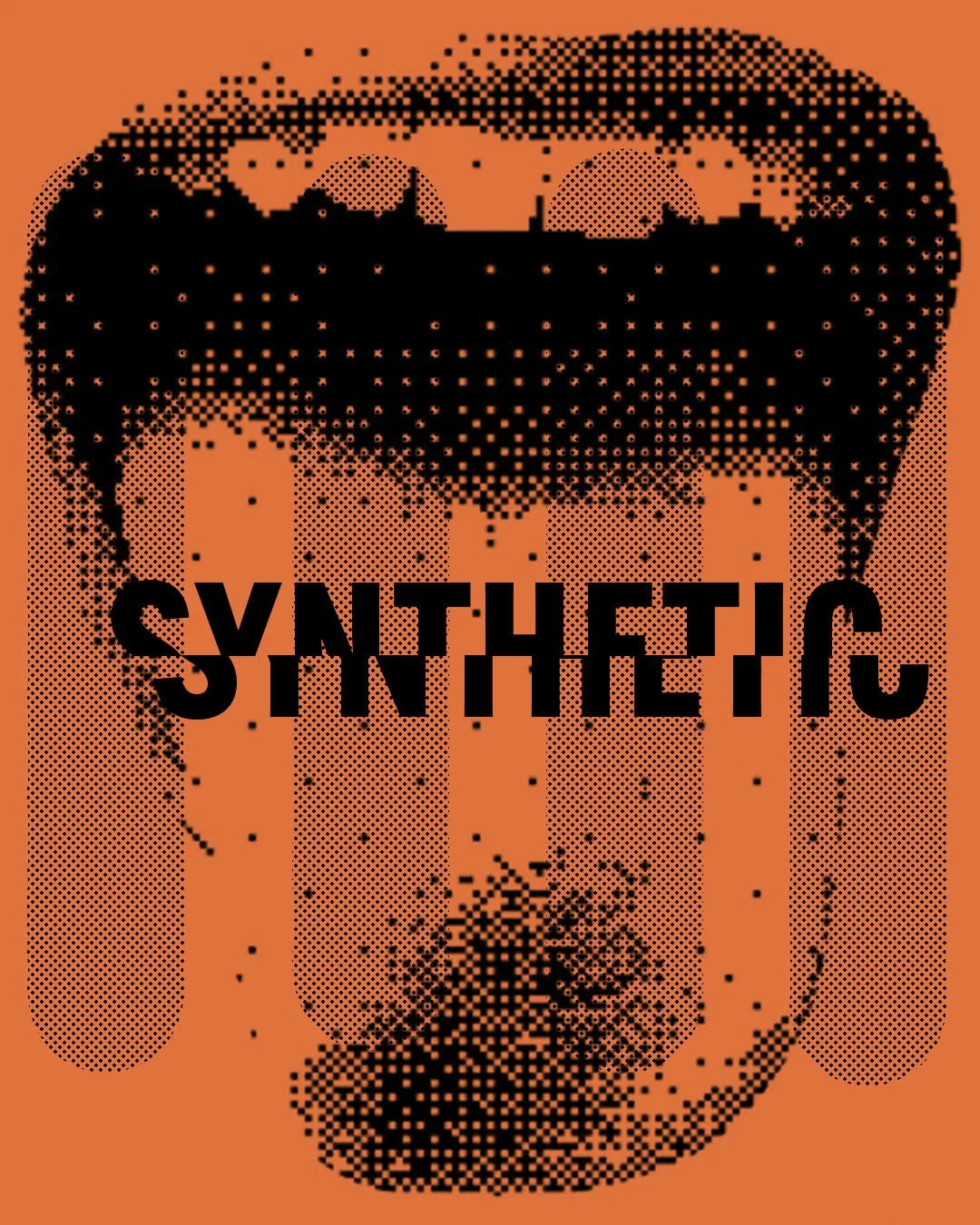
Organic and manufactured are now almost impossible to tell apart. So audiences have stopped trying and started assuming the worst.
So, what default has changed
Something has shifted in the way audiences receive culture. It used to be that when a band broke through, the default assumption was that they’d earned it. Now the default assumption is that someone paid for it.
That’s not cynicism. That’s a reasonable response to what’s actually happening.
New York Magazine ran a piece earlier this year arguing that most of what reads as viral…the song, the meme, the influencer’s sudden ubiquity…is probably the product of a stealth marketing campaign that never identified itself as one. Not occasionally. As a matter of routine. The machinery behind cultural momentum has gotten so sophisticated, and so invisible, that organic and manufactured are now almost impossible to tell apart from the outside.
The shrug
The Brooklyn band Geese found themselves on the receiving end of this suspicion. They broke through the way bands used to break through…a sound that felt unplaceable, a following that built itself. Then came the accusation: industry plant. Manufactured. A psyop with a setlist. When they were asked about it, they didn’t fight it off or produce evidence to the contrary. They shrugged. Maybe it was.
“Caring too much about clearing your name has become the tell.”
That shrug is more interesting than any denial would have been. Because in a market where concealment is the default mode of campaign management, a vigorous denial reads as more suspicious than a casual indifference. Caring too much about clearing your name has become the tell. The band that says “maybe” now sounds more credible than the band that says “absolutely not”…which is its own kind of strange, because it means sincerity has to perform unbotheredness just to be believed.
Lost equipment
What this adds up to is an environment where audiences have lost a basic piece of equipment: the ability to trust their own reaction to something. If any resonance can be manufactured, then the feeling of something landing…a song, a product, a story, can no longer be taken as evidence that the thing is genuinely good. It might just mean the campaign was well-targeted.
The declared position
For a branding studio, this is worth sitting with. We are, professionally, in the business of manufactured resonance. We build meaning on purpose, for a fee, and then release it into a market that has gotten very good at distrusting exactly that. But there’s a meaningful distinction…between the kind of construction that admits it’s construction, and the kind that hides.
“The only credible posture left in a market where everyone is trying to look like they’re not trying.”
The stealth campaign, the undisclosed partnership, the organic-seeming groundswell that isn’t…these are bets that the audience won’t find the seams. Increasingly, audiences are finding the seams, and they’re generalising the suspicion to everything.
The cleaner position is the declared one. Not performed authenticity, audiences are past that too…but actual transparency about the fact that brands are built, strategy is applied, and meaning is made on purpose. That’s not a weakness to apologise for. It might be the only credible posture left in a market where everyone is trying to look like they’re not trying.
The uncomfortable question underneath all of this: if suspicion has become the default, what happens to the things that actually are organic? A band that genuinely broke through on word of mouth. A product that found its audience without a campaign behind it. In a market fluent in doubt, those things get the same shrug as everything else. They don’t get believed. They just get suspected a little more gently.
