Field Notes.
Loose fragments. Fleeting ideas. Things noticed.
Collected pieces from the in-between. A sign. A surface. A code experiment. A prompt from a model. These are moments that often go unseen but mean something — glimpses of how brands emerge through intuition, materials, and the tools we shape them with. Sometimes analogue, sometimes digital — always observed.
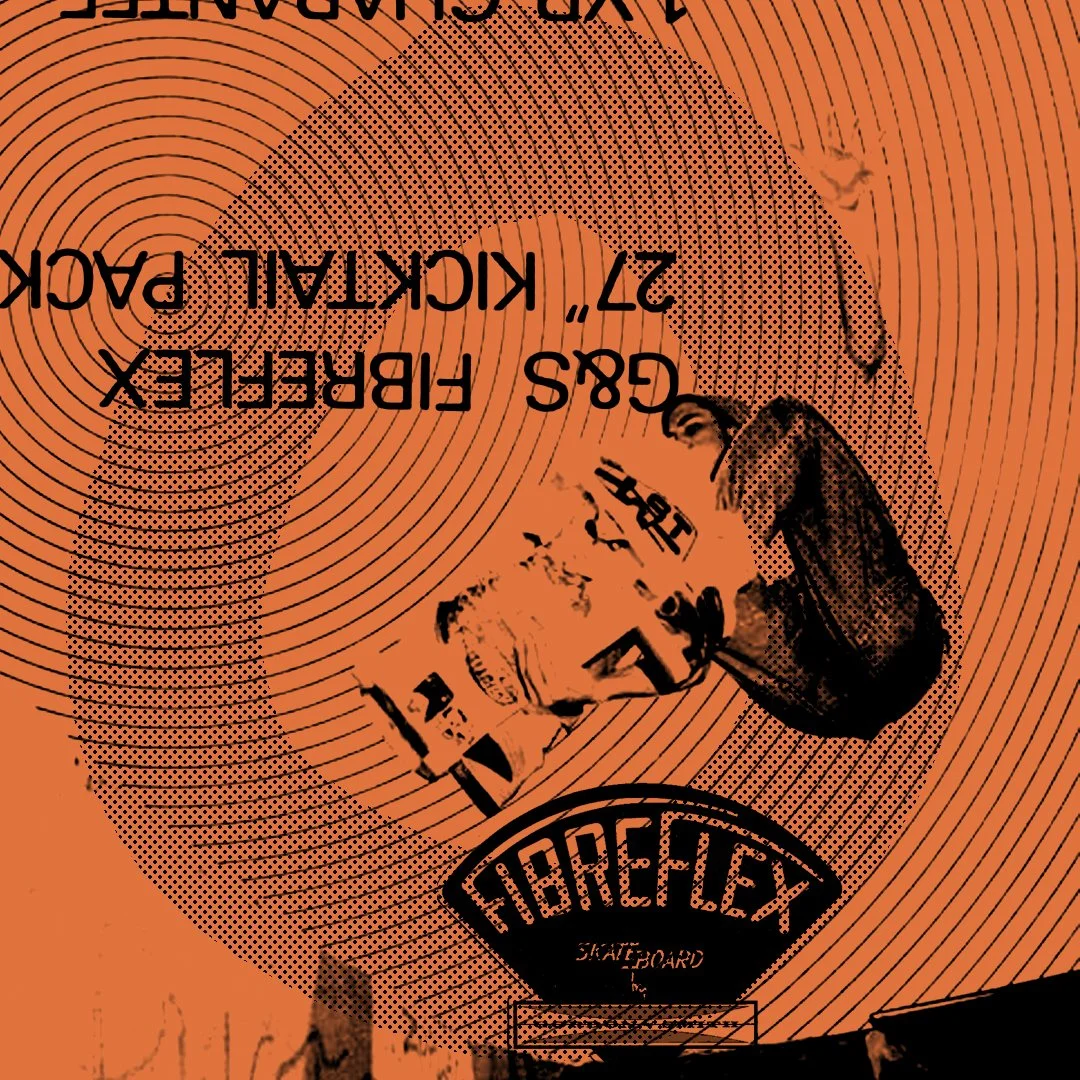
Stefan Ytterborn kept every Fibreflex board from 1975 to 1979. Every iteration, across four years of a culture building itself before anyone knew what it would become. It says this mattered before anyone said it did.
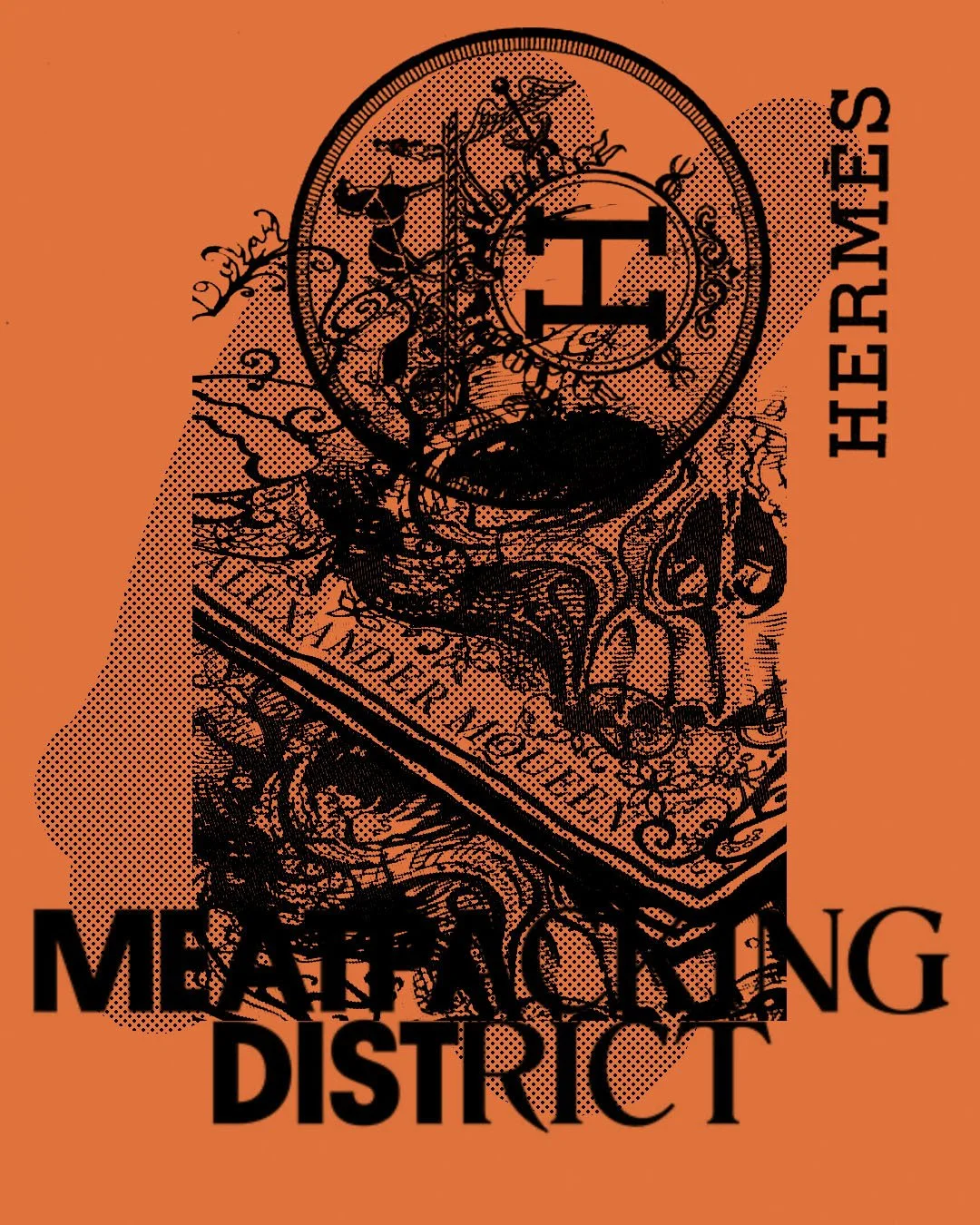
The Meatpacking District became a global symbol of design culture not through polish, but through tension. Its influence came from the space between what the neighbourhood had been and what it was becoming.
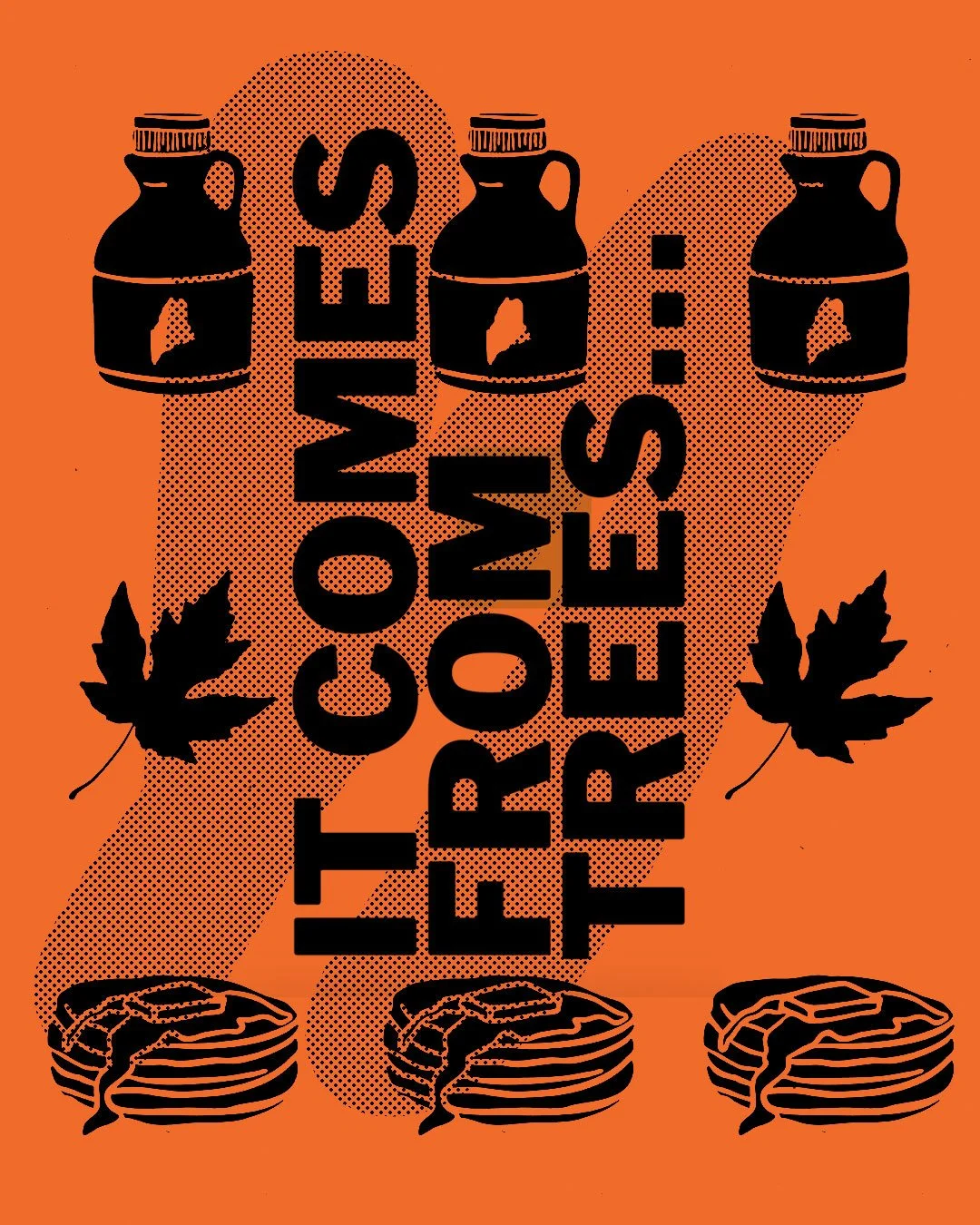
Standing in the supermarket aisle looking for maple syrup, I found something more instructive than I'd bargained for — a shelf full of beautiful packaging, and almost no maple syrup in sight.
What people are reaching for is proof that the thing cannot be duplicated….that it carries no other owner's story but theirs. This is the rise of the collectable.
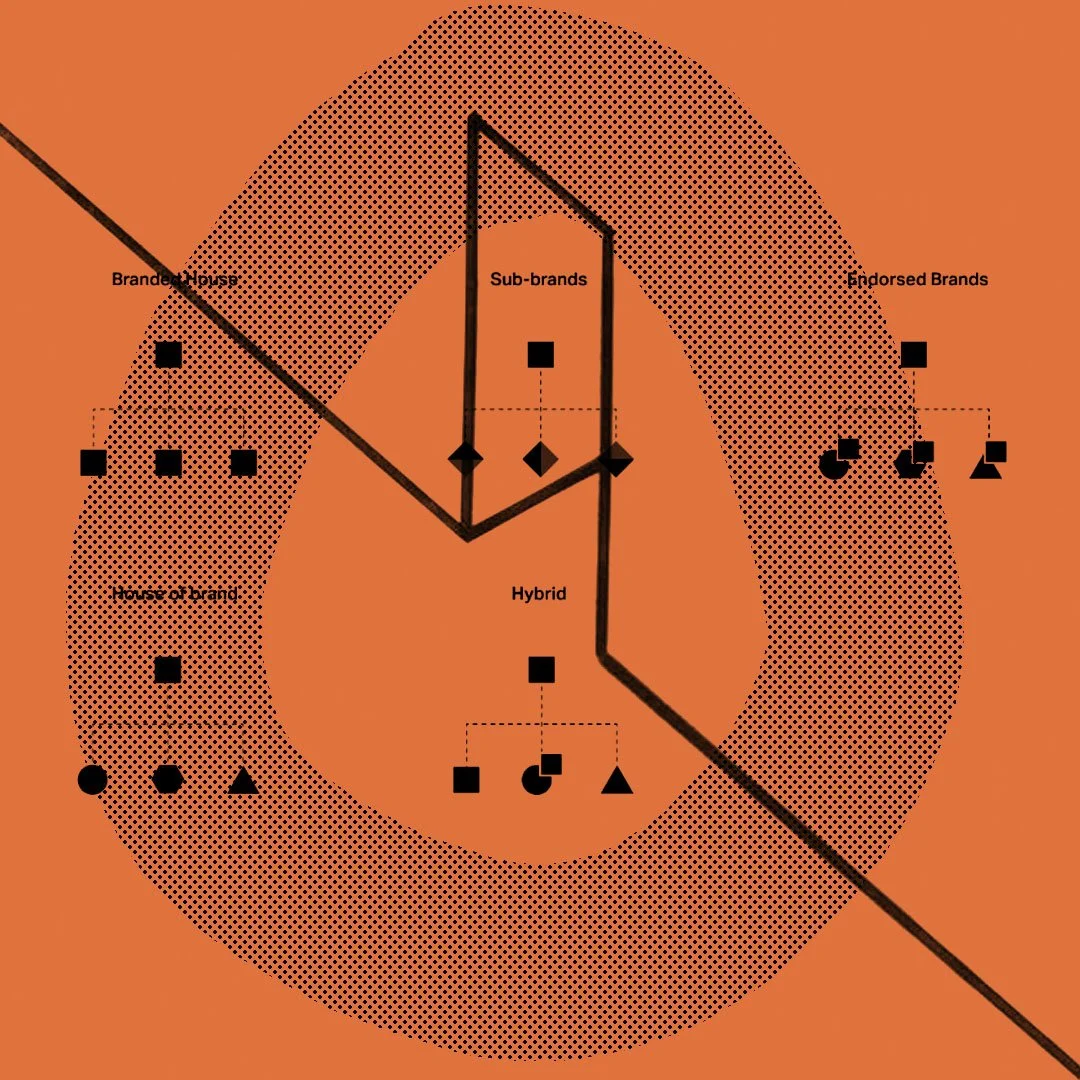
Brand architecture used to be fixed. One model. One system. One hierarchy. Now businesses operate across multiple structures at once, separating audiences, testing ideas and moving faster without stretching a single brand too far.
I fell down a small internet rabbit hole and discovered “looksmaxxing.” It’s the idea of optimising your appearance to present the best version of yourself. Haircut, clothes, lighting, posture. The funny part is businesses have been doing this for decades. We just call it branding.
Replace the word brand with reputation and the conversation changes. Every organisation already has one. The difference is whether it’s shaped deliberately or left to form on its own.
Accessibility always shows up late. Just before sign-off, someone asks for the guidelines check. The scramble begins. The surprising part is it’s not new. It never was.
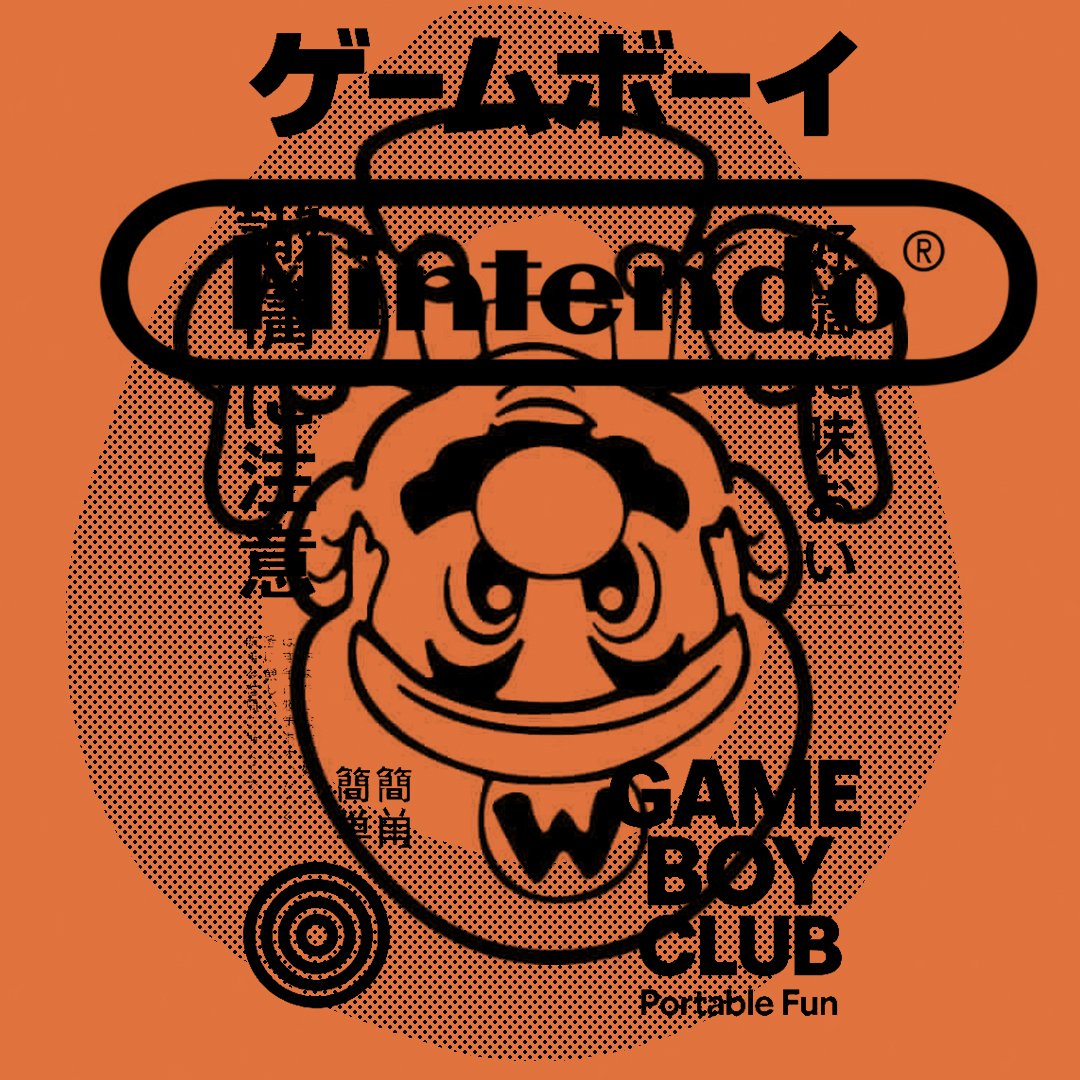
A masterclass in brand restraint. Nintendo stayed relevant by refining its identity, protecting its independence, and translating Japanese design values into a global language of play.
We don’t need camera shutter sounds anymore. Or vinyl crackle. Or buttons that pretend to be physical. And yet… we keep them. Skeuomorphism is design’s comforting lie, a way the future reassures us by sounding like the past.
Balance used to be safe. Neutrality used to signal credibility. Today, the middle feels empty. This Field Note explores how brands are responding to a culture that rewards conviction over consensus — and why the future is being designed at the extremes.
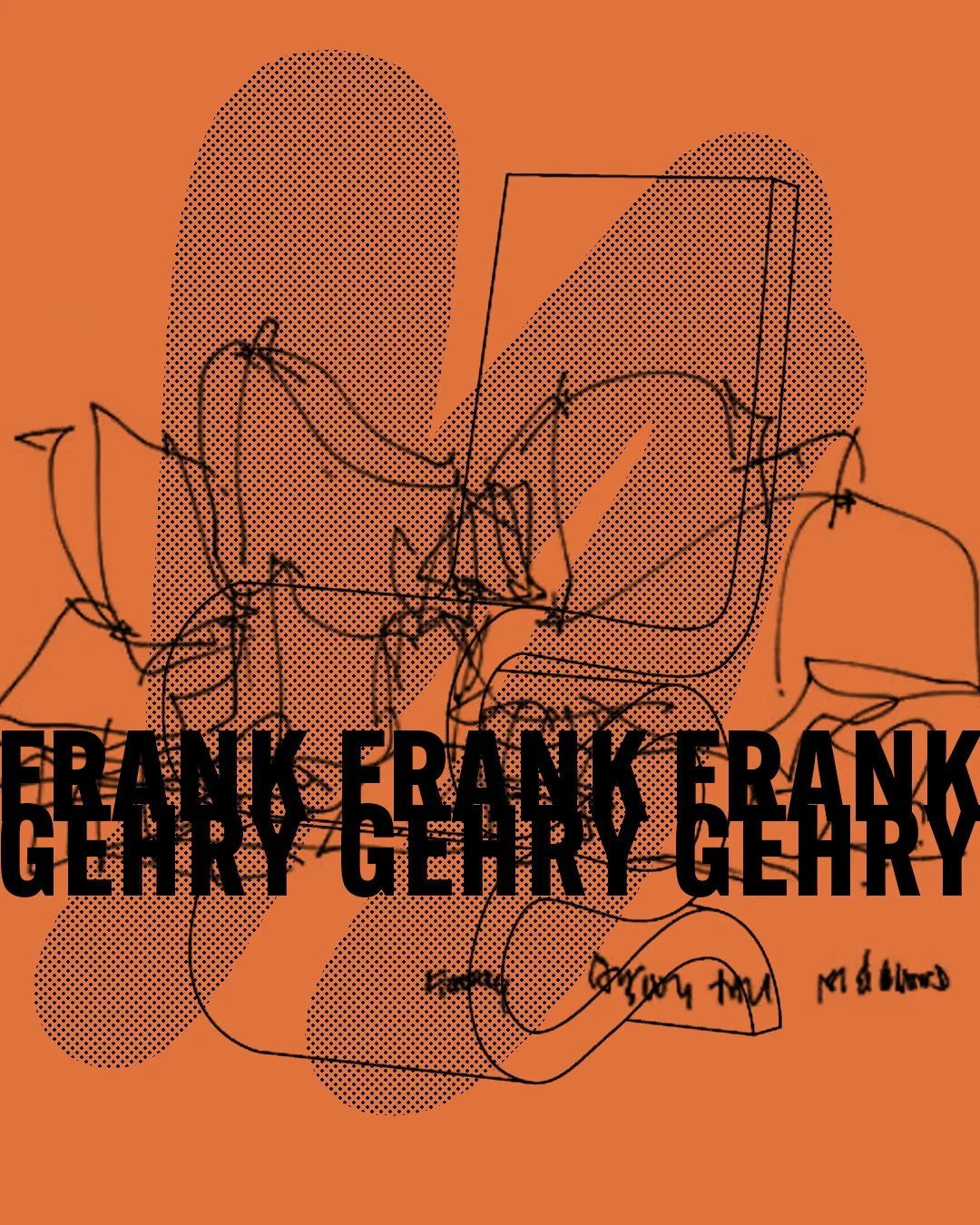
Why Frank Gehry’s wildest ideas outlived the critics who said they’d never work.
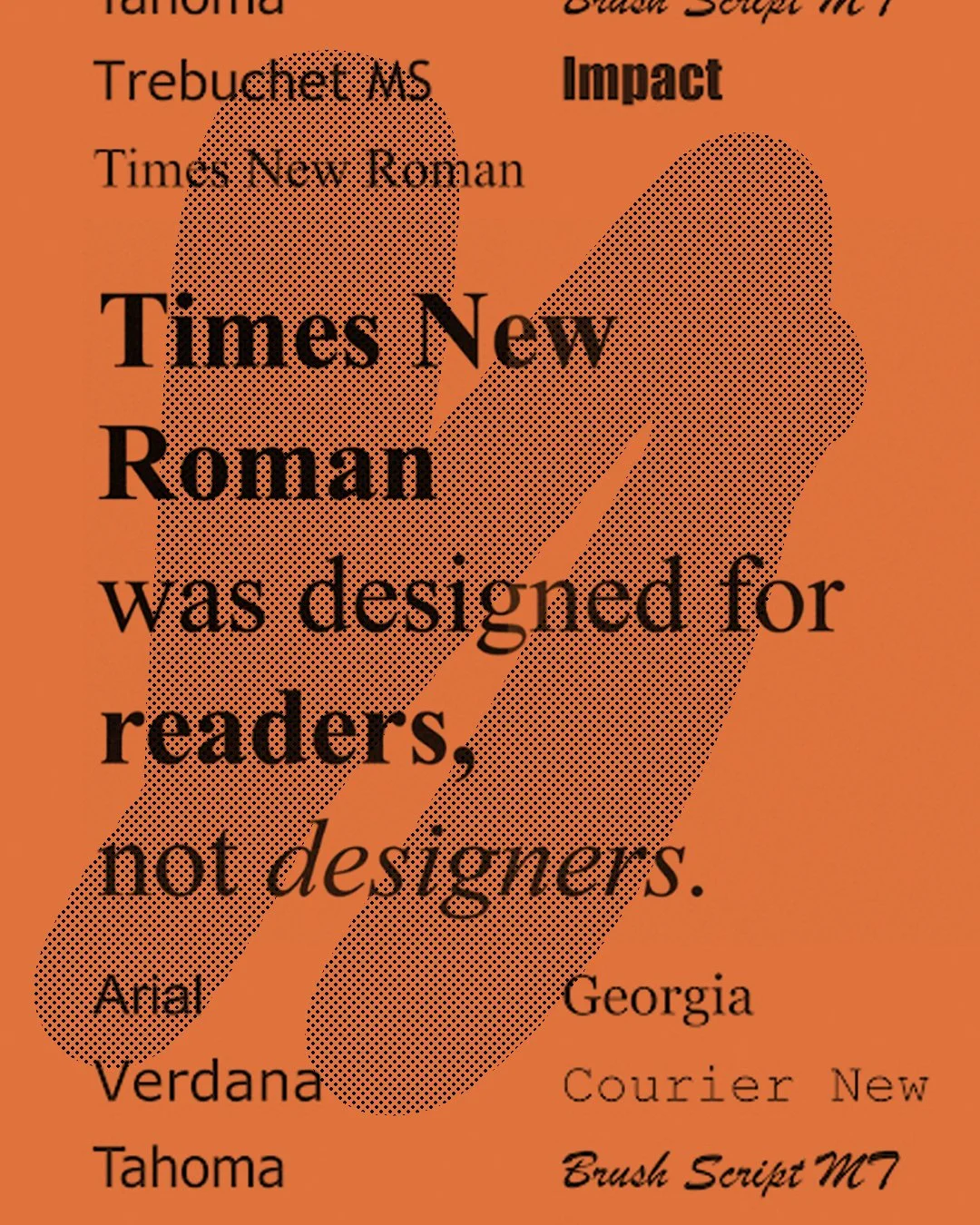
We didn’t pick these default fonts; they were handed to us by engineers with zero interest in aesthetics.
A new wave of non-alcoholic drinks is reshaping the culture of social drinking. Brands like Something & Nothing, Mellows, Dayse, and Mateo are building a parallel drinking culture…one that’s calm-forward, functional, and designed for a reset rather than a blur.
When art stops making us shift, it can become decoration.
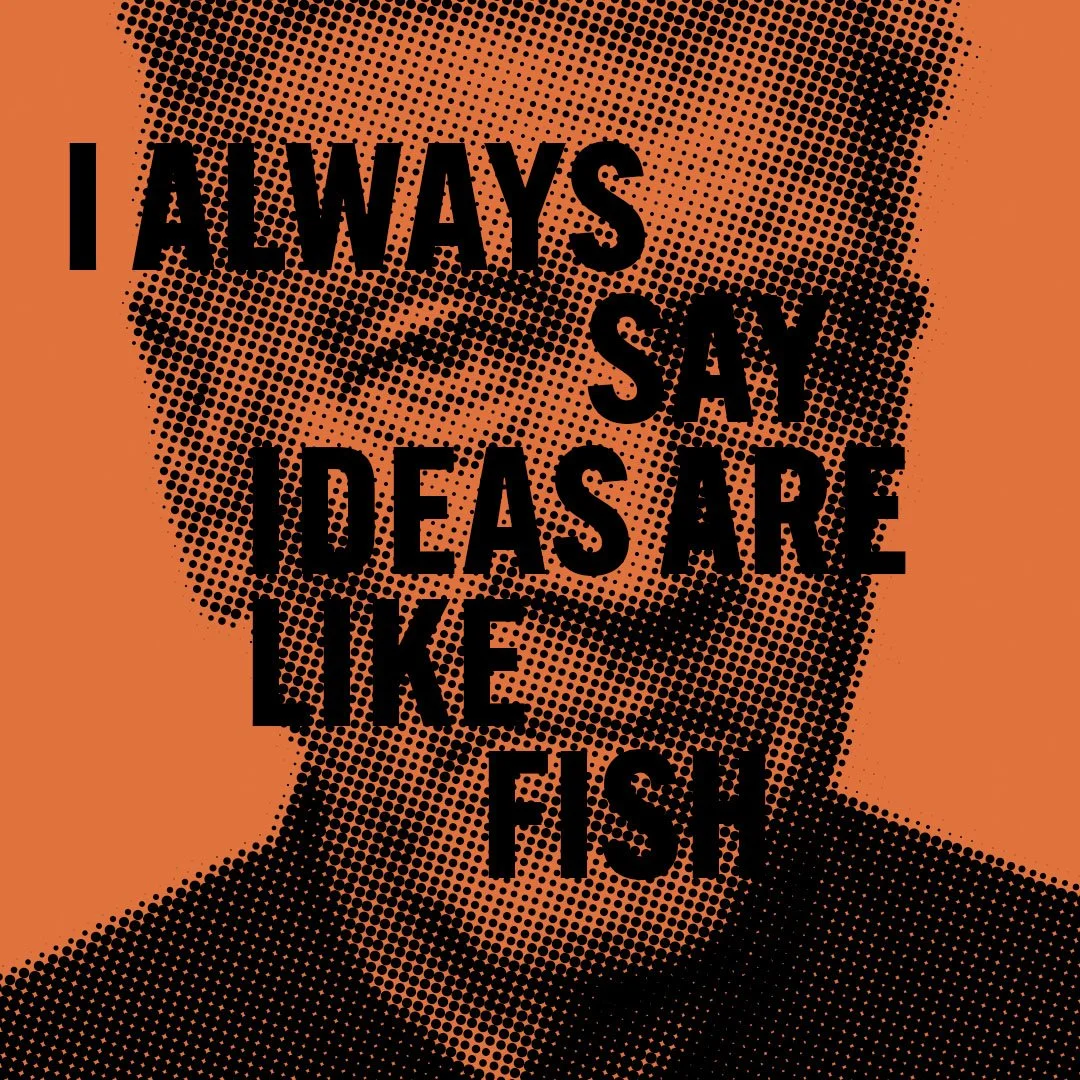
A David Keith Lynch quote about idea’s.