
Conservation by Celebration
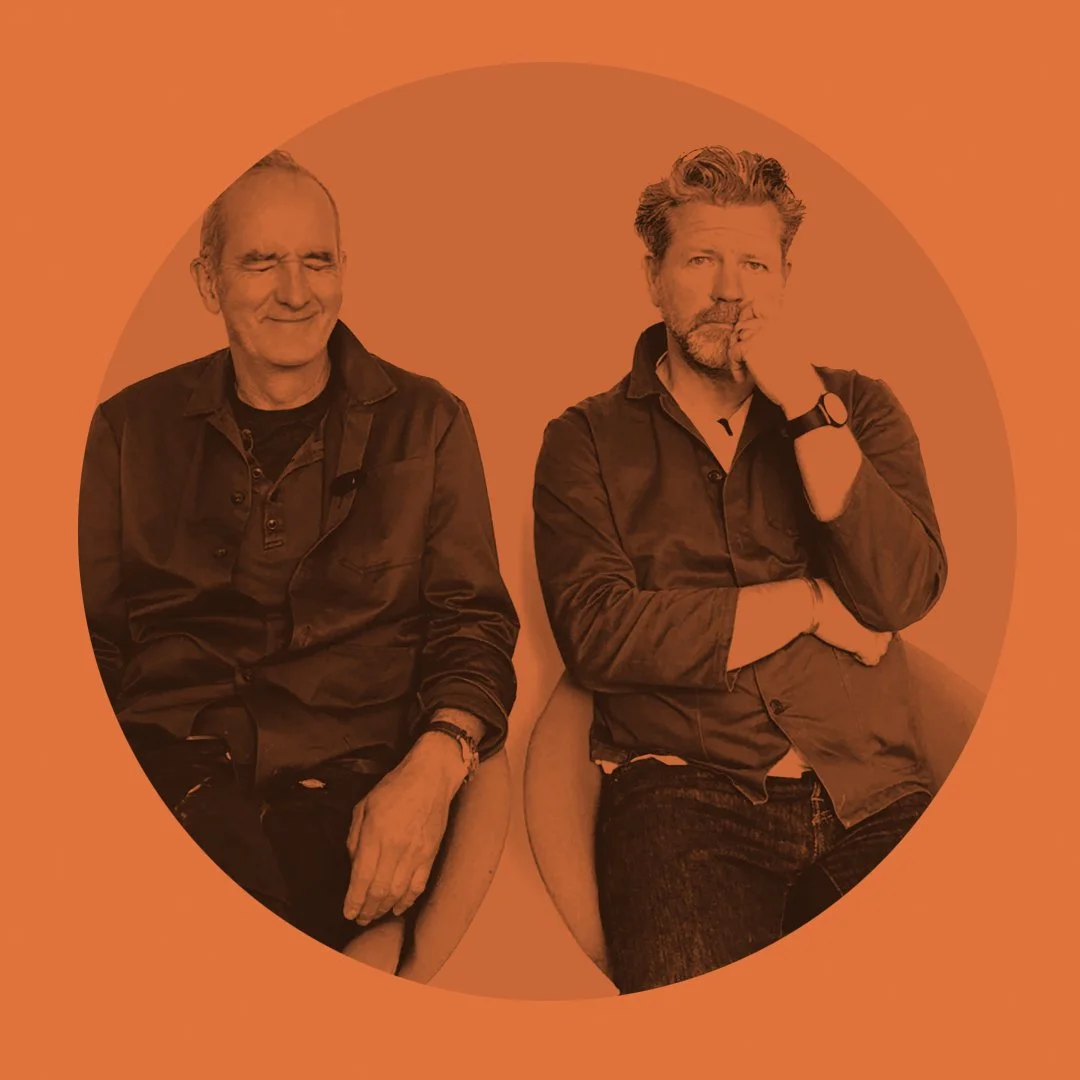
I recently went to a live talk by Kevin McCloud and Tim Ross, part of their Live in Interesting Places tour, hosted at the Octagon Theatre.
First up, it was genuinely refreshing. Two people from very different worlds sharing a stage, swapping stories about life, architecture, design, and the quiet responsibility that comes with shaping places people live in. No hard sell. No doom loop. Just thoughtful conversation.
But one idea in particular landed and stuck with me.
In the context of architecture and housing, they spoke about the importance of recognising homes that hold design value within their own era. Not just the obvious heritage homes with plaques and protections, but the everyday houses that quietly represent a moment in time. A style. A way of living. A set of beliefs about space, materials, and light.
The thought was simple, but powerful. Instead of constantly chasing the new, we could do more to look after what already exists. Especially when it has been designed with intent.
What was even more encouraging was the shift they described. New families are taking on these homes. Not to erase them, but to understand them. To restore what made them special. To bring them back to life, not freeze them in amber. Updating where needed, but always respecting the original idea.
And then came the part I loved most.
Why don’t we celebrate this more?
Why don’t we congratulate the people who choose conservation over demolition? Who see value in continuity rather than replacement? Who understand that design legacy is something you inherit, not something you bulldoze.
“Conservation doesn’t always need rules and red tape. Sometimes it just needs applause.”
Celebration, in this sense, becomes a form of conservation.
By making these stories visible, by sharing them, applauding them, and talking about them within the design community and beyond, we create cultural reinforcement. We signal that looking after a home’s design integrity is something worth recognising. Something worth being proud of.
It shifts the narrative from restriction to respect.
From preservation as limitation, to preservation as participation.
There’s something deeply optimistic about that. It suggests that good design doesn’t end when a house is finished. It continues through the people who choose to live in it thoughtfully, care for it, and carry its story forward.
Maybe the future of conservation isn’t about rules alone.
Maybe it’s about applause.
