
Why Nintendo Stayed Relevant
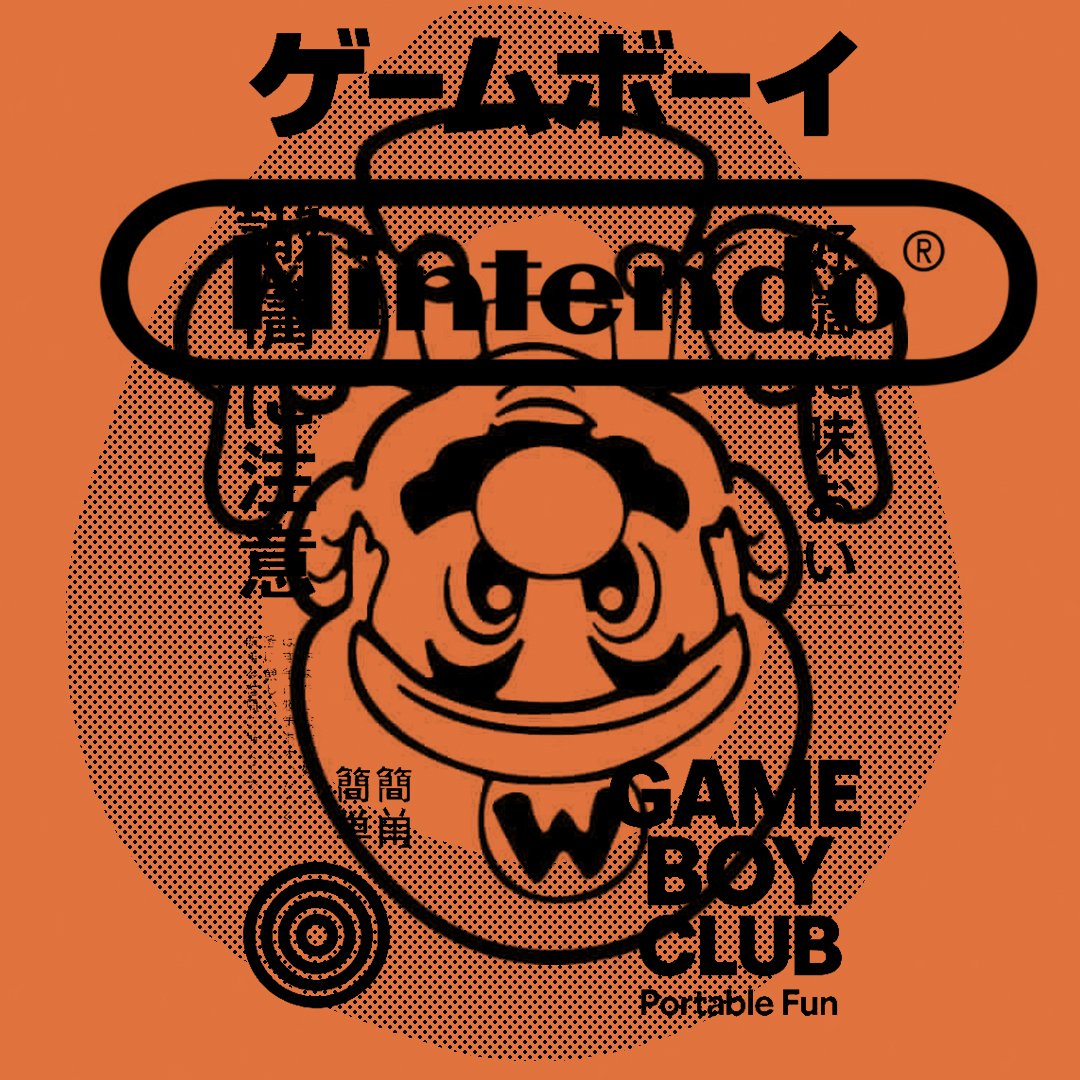
Nintendo’s longevity is not an accident of nostalgia or luck. It is the result of disciplined brand stewardship shaped deeply by Japanese culture. While much of the global games industry chased technological dominance, cinematic realism, and violence, Nintendo refined something quieter and more enduring: restraint, joy, and respect for the player. These values trace directly back to Japan’s cultural emphasis on craft, patience, and mastery through repetition rather than disruption.
At the heart of Nintendo’s brand is continuity. Characters like Mario, Zelda, and Pokémon are not endlessly reinvented for shock value; they are carefully evolved. Each generation introduces subtle mechanical shifts, emotional nuance, and improved accessibility without abandoning the core experience. This approach mirrors Japanese product philosophy where refinement is valued over replacement. Nintendo does not chase trends. It waits, observes, and then responds with intention.
The company’s resistance to violence is also strategic rather than moralistic. Blood-free worlds allow Nintendo to remain culturally universal, accessible across generations, and emotionally safe. This positioning has given the brand a rare advantage: parents trust it, children grow up with it, and adults return to it without irony. In a market crowded with aggression and intensity, Nintendo occupies a distinct emotional territory built on curiosity, play, and wonder.
“Nintendo is what happens when a brand evolves without dilution”
Crucially, Nintendo has remained independent. Despite industry consolidation and persistent speculation, no company has successfully acquired it. Not Sony. Not Microsoft. Not Disney. This independence is by design. Nintendo is structured to protect creative control, long-term thinking, and internal leadership. Figures like Shigeru Miyamoto shaped a culture where play comes before profit cycles and where innovation is guided by experience, not market pressure. Unlike many Western tech companies, Nintendo answers primarily to its philosophy, not acquisition logic.
That philosophy has allowed Nintendo to evolve without dilution. Its hardware innovations, from the Wii to the Switch, were not about outperforming competitors on specs but redefining how people engage with play. This is branding expressed through behavior, not messaging. Nintendo stays relevant because it understands something fundamental: brands do not endure by becoming louder or darker. They endure by knowing who they are and having the discipline to protect it.
In a global market obsessed with disruption, Nintendo’s greatest strength has been continuity. A Japanese brand that refined itself patiently and invited the world along with it.
