
The Mirror in the Queue
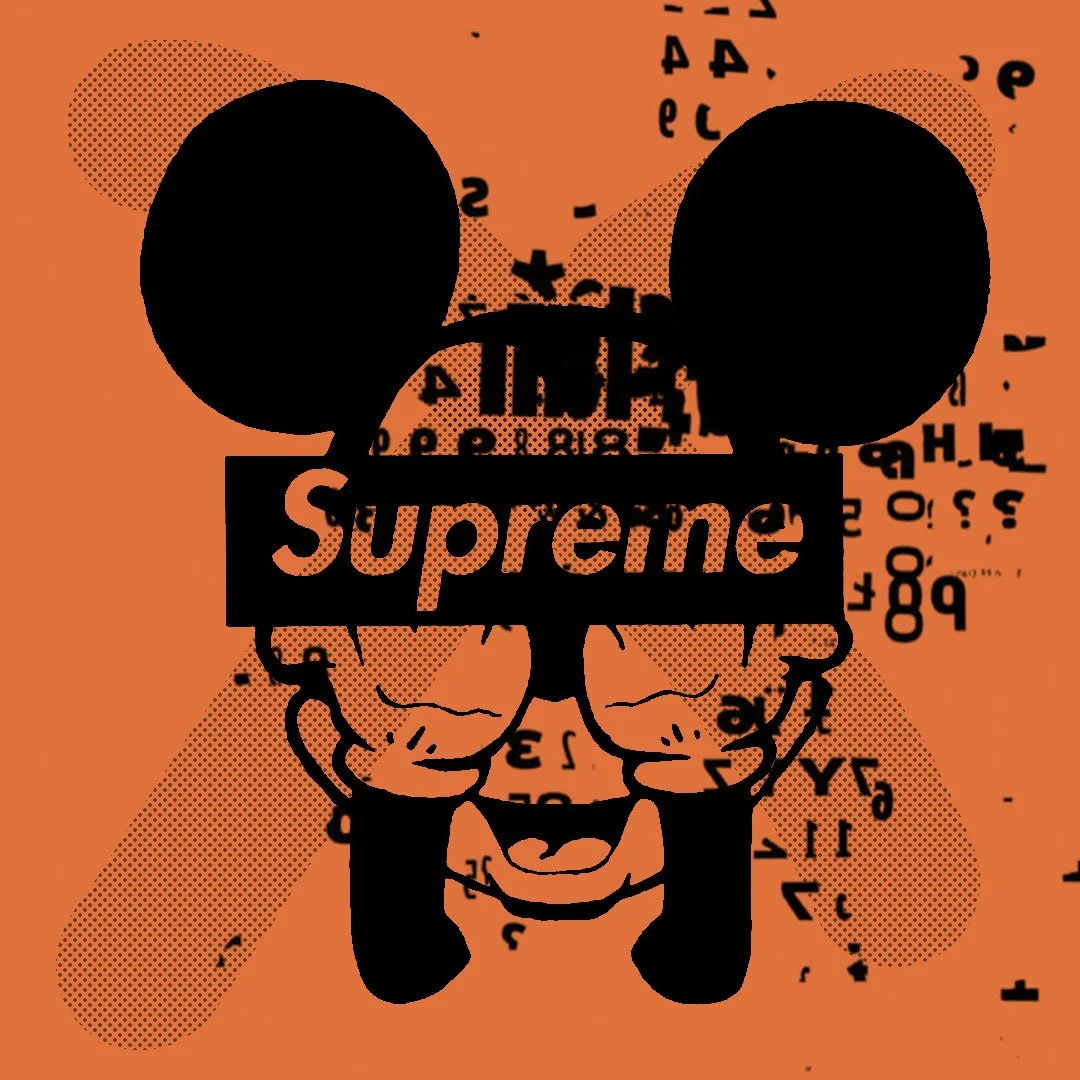
Hypebeast culture gets dismissed as shallow. But it might be the most honest thing branding has done in decades.
The word hypebeast was always meant to sting a little. Beast as in animal. Beast as in out of control. Someone so captured by hype that they'd queue at dawn for a hoodie, refresh a browser for a sneaker, sell a jacket at a loss just to own the next thing. The implication: they don't really know what they want. They just want what everyone else wants.
But spend any time looking at how hype culture actually operates and the picture shifts. Because hypebeasts didn't create manufactured desire. They just agreed to participate in it with the lights on.
THE QUEUE IS THE PRODUCT
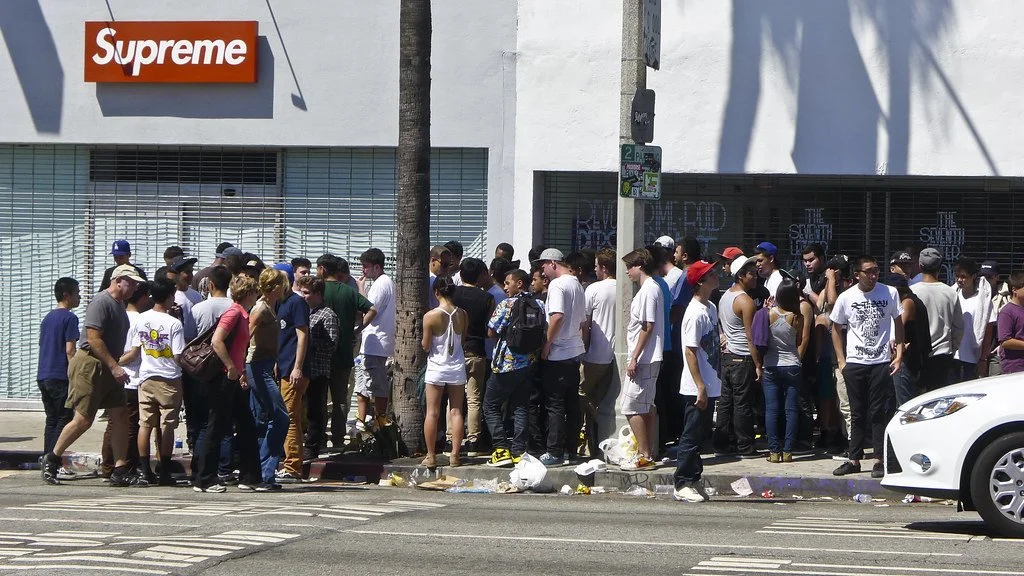
Every brand that runs a drop...a timed, limited release of product in deliberately small quantities...is selling something before the product is even available. They're selling the experience of wanting.
The countdown timer. The early access email. The cryptic teaser posted at midnight. These aren't marketing materials in the traditional sense. They're the architecture of desire...a stage set built to make wanting feel like an event. And when the drop goes live and the page crashes and the size you need sells out in forty seconds, the brand hasn't failed. It's succeeded. The sold-out screen is part of the product.
The object is almost incidental. What you're really buying is proof that you were present for something.
“The object is almost incidental. What you’re really buying is proof that you were present for something.”
Supreme understood this earlier than almost anyone. Weekly drops. A new object every Thursday. Not necessarily better objects...a branded brick, a branded crowbar, a fire extinguisher with a box logo. The absurdity was deliberate. The message wasn't "this is a great product." The message was: "we decide what matters, and right now, this matters." That's not retail. That's theatre.
CURTAIN BACK
Here's the uncomfortable part for anyone who works in branding: this isn't unique to streetwear. It's just more visible there.
Hermès doesn't tell you a Birkin will take two years to acquire because of production constraints. The constraint is the point. Apple doesn't generate lines outside its stores by accident. The line is the ad. The line says: people want this enough to wait. Which makes you want it enough to wait.
“Hype culture didn’t invent manufactured desire. It just stopped pretending it was anything else.”
Every brand engineers desire. The question is only how honest they're willing to be about it. Luxury does it with restraint and mystique...the mechanics hidden behind heritage and craft narratives. Hype culture does it with a stopwatch and a sold-out notification. The effect is the same. The difference is that one of them admits what it's doing.
Hype culture didn't invent manufactured desire. It just stopped pretending it was anything else.
The hypebeast standing in a queue at six in the morning isn't being manipulated any more than the person on a Hermès waitlist. They both know the game. One of them is just more willing to name it.
WHAT DESIRE ACTUALLY NEEDS
When Supreme began to lose the plot...revenue down, the brand sold and sold again, drops arriving with diminishing returns...the post-mortems mostly focused on oversaturation. Too many drops. Too much product. Hype fatigue.
But that diagnosis misses the deeper failure. Supreme at its peak wasn't a brand people bought into. It was a community people belonged to...skaters, outsiders, kids who found each other in the queue. The brand grew out of that community, not the other way around. When VF Corporation paid two billion dollars for it and started optimising the drop calendar, they acquired the machinery without understanding what powered it. They had the clock but not the reason to watch.
“You can build a system that makes people want things. You can’t build a system that makes people belong somewhere.”
This is the part of hype culture that actually matters for anyone building a brand. Not the scarcity tactics. Not the drop cadence. But the prior question: is there a real community here, or are we manufacturing the appearance of one?
You can build a system that makes people want things. You can't build a system that makes people belong somewhere.
The hypebeast gets called shallow because they chase the signal rather than the substance. But the more interesting question is whether there was ever a substance to chase...or whether most brands are doing exactly the same thing, just with better PR about it.
The queue is a mirror. The thing it reflects isn't a person out of control. It's the rest of branding, finally visible.
What the subscription model solves is the operational problem. The friction at the brief stage, the renegotiation cycle, the administrative distance between client and agency. These are real problems, and solving them is genuinely useful.
What it doesn’t solve — what no billing structure can solve — is the question of what design is for. Whether it is a service delivered on demand, or a discipline that requires its own conditions to produce its best work.
The three dominant commercial structures in creative services each make a different implicit claim about what design is worth — not in rate, but in kind.
Below are the 3 options, with subscription being the new kid on the block….
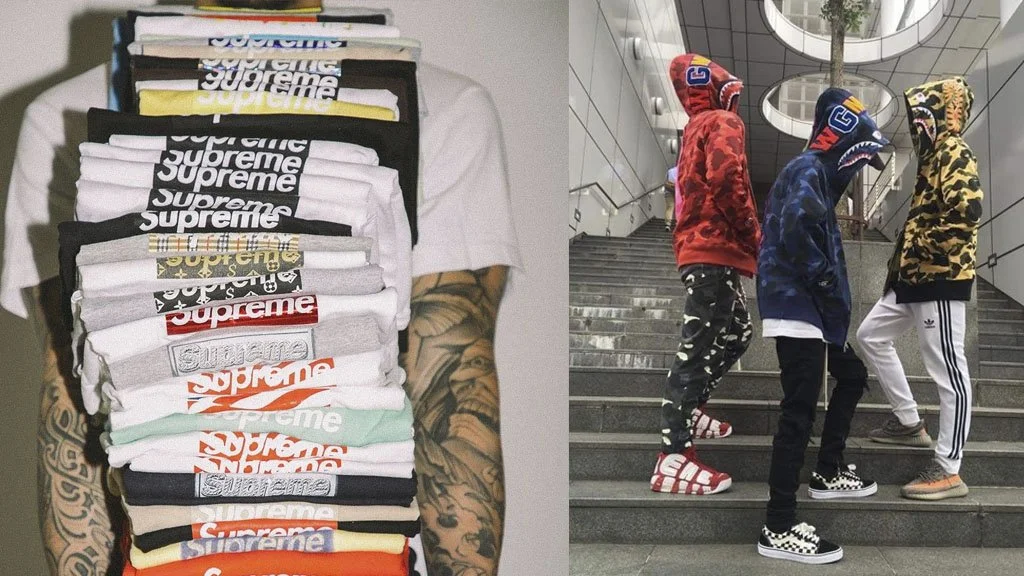
Together they suggest that hypebeast culture was never really about streetwear. It was a set of mechanics that could attach to anything.
1. Corteiz (CRTZ)
The most interesting current case — a London streetwear brand that inverted every Supreme playbook move while replicating its results. No traditional advertising. Password-protected website. Drops announced minutes before they go live. In one activation, they sold cargo pants with a retail price of £125 for just 99p, drawing over 2,000 people to Shepherd's Bush Green — most of whom left empty-handed. That's the point. The interesting wrinkle: Corteiz actively discourages any form of resale market, which flips the usual hype script. The brand is explicitly anti-resale — the value lives in community membership, not arbitrage. It's hype culture that's trying to police its own exploitation. Whether that holds as it scales is the tension worth watching.
2. MSCHF
Not a fashion brand — a Brooklyn art collective that drops objects as cultural provocations every two weeks. A microscopic handbag smaller than a grain of rice, auctioned for $63,000. A blurred image of a $20 bill, sold for $20, which then resold on StockX for $300. The internal logic: "If we can make people a fan of the brand and not the product, we can do whatever the f*ck we want." MSCHF is hypebeast culture with the irony made explicit — they're not selling streetwear, they're selling the critique of streetwear desire while simultaneously exploiting it. The product is always a joke that people are earnestly paying for. That's a genuinely strange thing to have pulled off. Course Hero
3. Liquid Death
The outlier — and probably the most useful one for a Bitta piece. It's canned water. Mountain water in tall, beer-style aluminium cans, covered in skulls, with the slogan "Murder Your Thirst." By 2024 it was a $1.4 billion brand. No new product. No innovation in what's inside the can. Pure identity construction — selling a counter-culture lifestyle choice, a way to stay hydrated while simultaneously flipping the bird to the mainstream. It's the most naked example of hype culture's central argument: the object is irrelevant, the attitude is everything. Water became a social passport in the same way a Supreme hoodie did.
