
The Title Is the Alibi
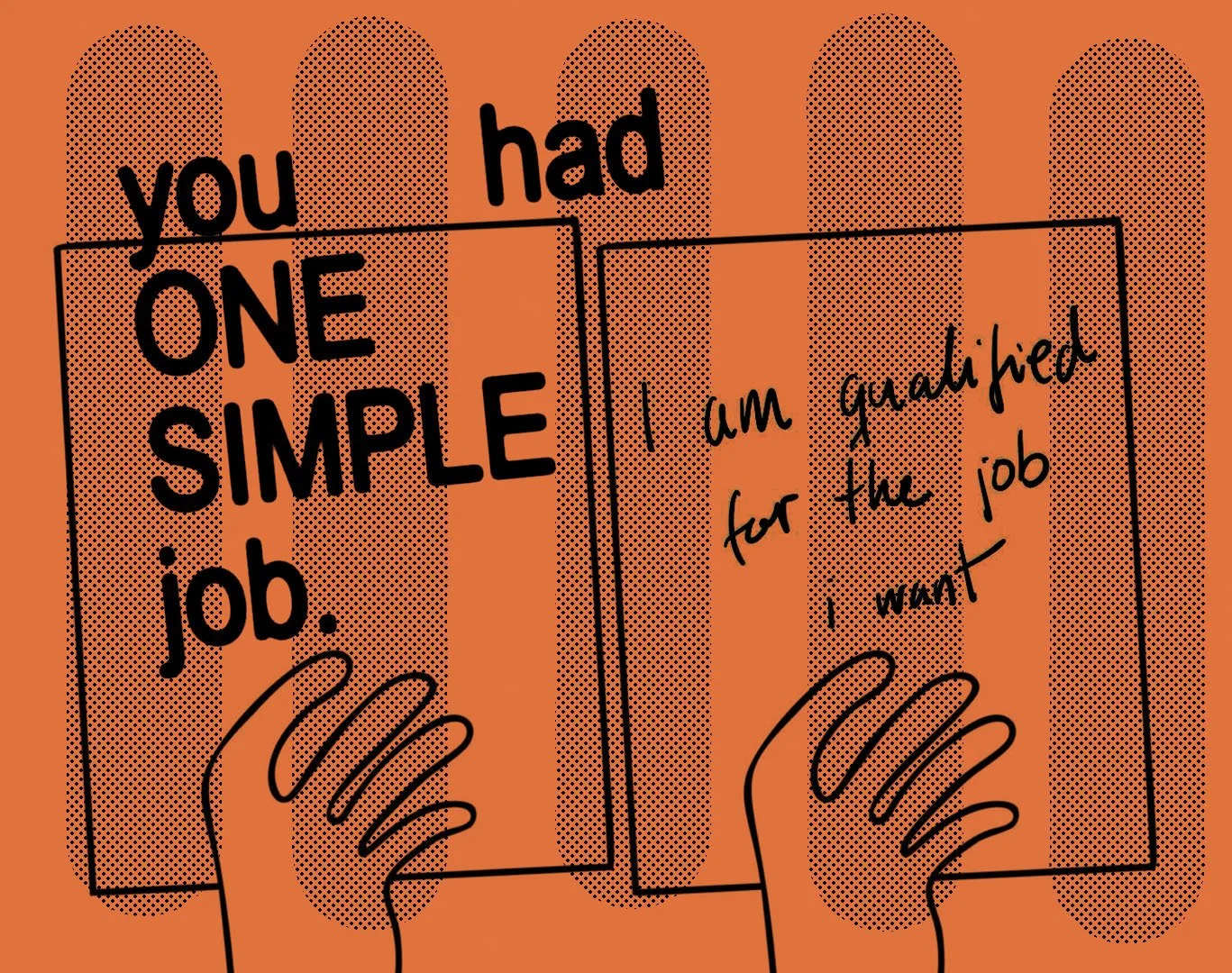
Marketing is being renamed in engineering's clothes. It's borrowed rigour, and also the clearest sign yet that the soft stuff finally matters.
Every discipline eventually gets renamed by the people who arrive late to it.
This season's arrivals are easy to spot. Scroll the job boards and marketing has quietly changed its clothes. The brand strategist is now a narrative engineer. The content lead is a media engineer. The person who used to run campaigns now architects growth. Same desk, same brief, same Tuesday... a different word on the door.
It would be easy to be cynical about this. I'd rather be curious, because a rename is never really about the work. It's about what the namer needs the work to signal.
An engineer is someone whose output can be trusted without being understood. You don't need to follow the maths of a bridge to walk across it. That's the promise the word carries, and it's exactly the promise marketing has always struggled to make. Ours is a discipline judged by people who feel qualified to judge it. Everyone has an opinion on a logo. Nobody has an opinion on load tolerances.
“Everyone has an opinion on a logo. Nobody has an opinion on load tolerances.”
So the title arrives as a kind of credential. Not earned... borrowed. And this is where it starts to look familiar.
We've spent time in this journal on brands that declare their goodness, values on the wall and purpose in the deck, and on why the declaration tends to undo itself. Virtue that has to be announced invites the question of why it needed announcing. Archetypes do something similar: the brand reaches for the Hero or the Sage because borrowed depth is faster than the real kind. The engineering title belongs to the same family. It's rigour declared rather than demonstrated. An alibi for work that someone, somewhere, doesn't yet trust to stand on its own.
My first real job in this industry was as a finished artist. If you've never met one, they were the last pair of hands before anything went to print. Bleeds, trapping, separations, the quiet dread of a reversed-out serif at six point. A half-millimetre misregistration could turn ten thousand brochures into landfill. It was exacting, unforgiving, a little technical, and nobody ever called it engineering. It sat on the creative floor, so it was craft, and craft was something you were grateful to be paid for.
I don't say that to claim the title retroactively. I say it because the line between technical and creative was never really about the work. It was about where the desk was.
And here's the part worth celebrating. Something has genuinely shifted. The tools that made building hard have made it easy... a product, a page, a prototype can exist by lunch. When making stops being the bottleneck, the bottleneck moves. It moves to choosing. To knowing what's worth making, who it's for, and how it should feel when it arrives. The industries that spent decades calling this the soft stuff are discovering it was the load-bearing wall all along.
“The line between technical and creative was never really about the work. It was about where the desk was.”
Which makes the rename, in its strange way, a compliment. Nobody dresses up something they think is trivial. The engineering title is what respect looks like before it has found its own vocabulary. It's a sector admitting that taste, story and timing matter, in the only language it's fluent in.
The more interesting question is whether the borrowed word helps or gets in the way. Titles shape the work done under them. Call someone an engineer and you'll ask them for systems, outputs, things that can be counted. Some of what we do fits that frame beautifully. Some of it... the instinct that a campaign is a quarter-turn too earnest, the sense that a name will age badly... doesn't fit any frame at all. It just has to be trusted. And trust was the thing the title was meant to route around.
Maybe the word won't matter. Software engineering itself began as someone reaching for a heavier word so her work would be taken seriously, and the word eventually grew into the work. In ten years narrative engineer might sound as ordinary as copywriter, and nobody will remember it was ever a costume.
Or maybe the opportunity is in not needing the costume at all. The table finally wants us at it. The people who'll matter most are the ones who can sit down and describe what they do in plain terms. Taste. Judgement. Story. Words that don't borrow anything.
Every discipline gets renamed by the people who arrive late to it. The ones who were already there get to decide whether to answer to it.
