
Walkman Is Still for Sale
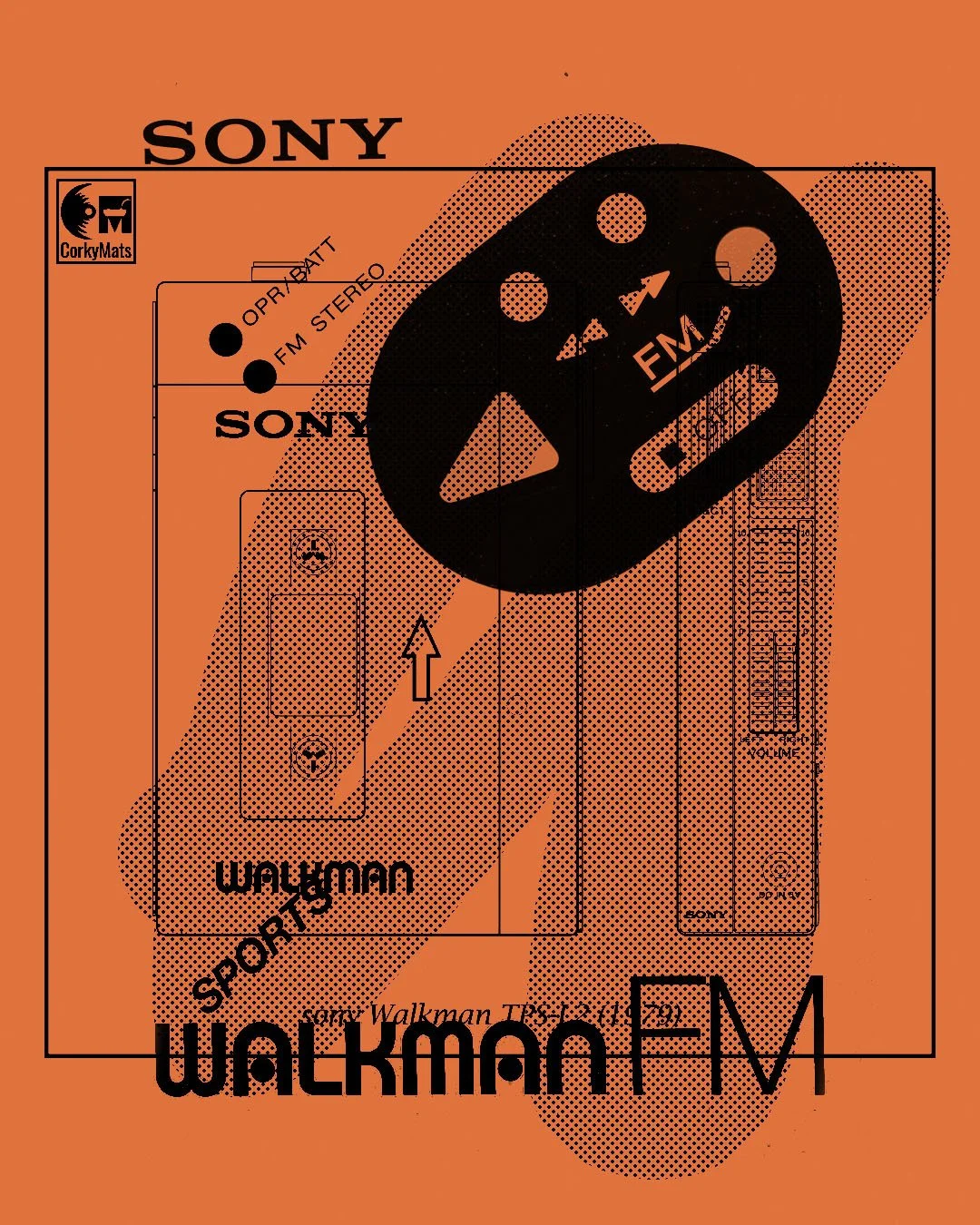
You can still buy a Walkman. That's exactly the problem.
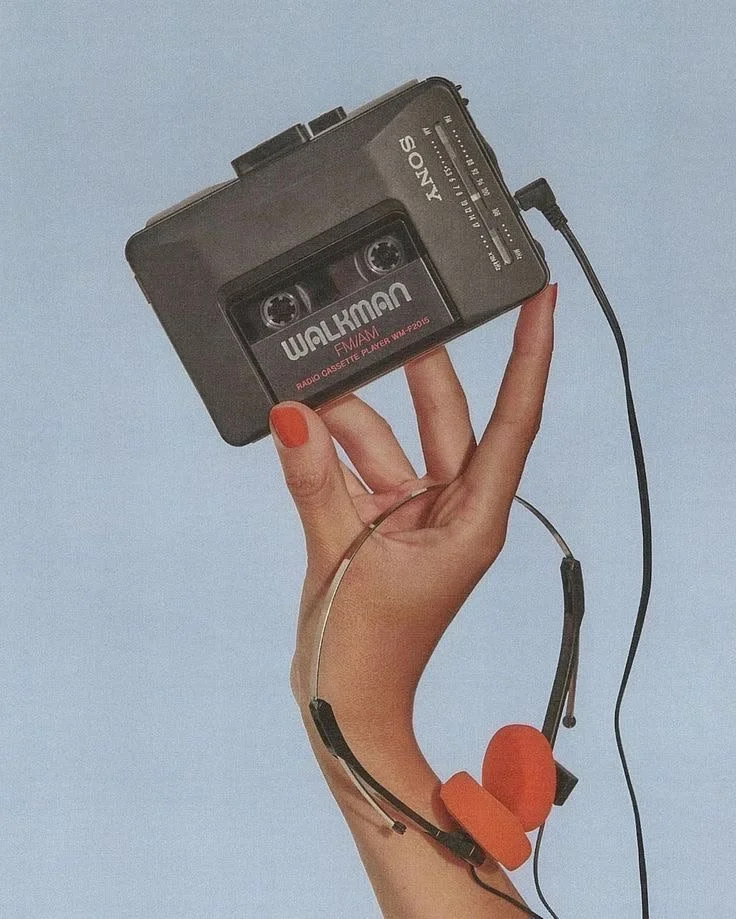
Sony never killed the Walkman. Most people assume it did, which is the interesting part. Walk into a Sony store this year and you'll find one: an aluminium body, a touchscreen, high resolution audio and a battery that outlasts most phones. It's beautifully made. It's sold to people who argue about file formats. And almost nobody under forty knows it exists.
The name survived. The meaning didn't. Those turn out to be very different things.
The first Walkman went on sale in Japan in the middle of 1979. Blue and silver, a cassette player with no speaker and no way to record, which inside Sony was close to heresy. Engineers couldn't see who would want a tape machine that couldn't record. Sales staff couldn't see who would want to wear headphones in the street. The idea came from one of the founders, who wanted to listen to music on long flights, and it was pushed through by the other on instinct rather than evidence.
The most revealing detail is the one that's mostly forgotten. The original had two headphone jacks and a small orange button marked "hotline", which dropped the music and switched on a microphone so you could talk to the person next to you without taking your headphones off. Sony assumed that listening alone in public would seem rude. So it built in a way to share.
“Sony kept the name. Somewhere along the way, it handed over the meaning.”
People didn't want to share. Within a few years the second jack was gone. What Sony had stumbled into wasn't portable music. Portable radios had existed for decades. It had invented permission to withdraw. A way to be in public and somewhere else at the same time. To put a soundtrack under your own commute and walk through a city as if you were in a film only you could hear.
That was the product. The cassette was just how it arrived in 1979.
Then the word did something words rarely do for brands. It left home. Sony's overseas teams had worried the odd Japanese English coinage would sound wrong abroad and gave it other names in other markets. The founder overruled them, and the little word went everywhere. It entered dictionaries. People called any personal stereo a walkman, lowercase, whoever made it. A court in Austria eventually ruled that the name had become generic, which is a legal loss and also the highest compliment a brand can be paid. The word no longer described a Sony product. It described a way of moving through the world.
Here's the part worth studying. By the end of the nineties Sony held nearly every card. It owned the name that meant personal music. It owned the hardware expertise. It owned a major record label. If anyone was going to carry that meaning into the digital era, it was Sony.
It didn't, and the reason wasn't technical. Sony's instinct was to protect what it already had... the label's catalogue, its own proprietary formats, a business organised into divisions that had no interest in cannibalising each other. Its digital players were careful, compromised and hard to love. Meanwhile a computer company with no music business at all shipped a white box in 2001 and described it in one line about carrying a thousand songs in your pocket.
That line was the Walkman's meaning, restated for a new medium. Apple didn't so much take Sony's market share as take its sentence. Within a few years the white earbuds had become what the foam headphones once were... the visible sign that someone had gone somewhere private in public.
“Apple didn’t so much take Sony’s market share as take its sentence.”
Sony kept the name. It kept making Walkmans. It quietly stopped making the cassette ones in Japan in 2010 and moved the brand upmarket, toward audiophiles and collectors. That's a perfectly sensible business. It's also a complete inversion of what the name once stood for. The original was a mass object, a little ridiculous, an everyday thing that made the everyday feel cinematic. The current one is a specialist instrument. Respected, expensive, and invisible to culture.
Nothing failed, in the usual sense. The trademark is registered and maintained. The product line is defended. Awareness, if you surveyed for it, would be high, because everyone over a certain age knows the word. On any dashboard that tracks brand health, Walkman would look alive.
That's the uncomfortable part. Most of the ways we measure brands measure the mark. Recognition, recall, sentiment, consistency. None of them tell you whether the brand still holds the position it was built to hold. Whether, when people reach for the feeling you once owned, they reach for you.
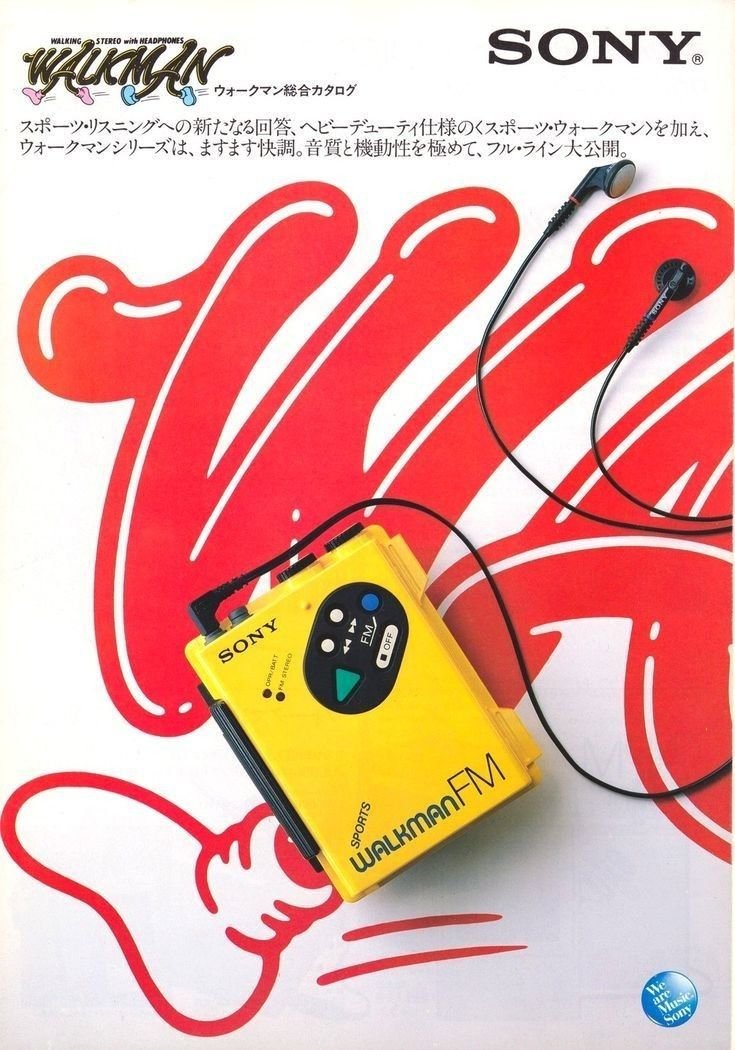
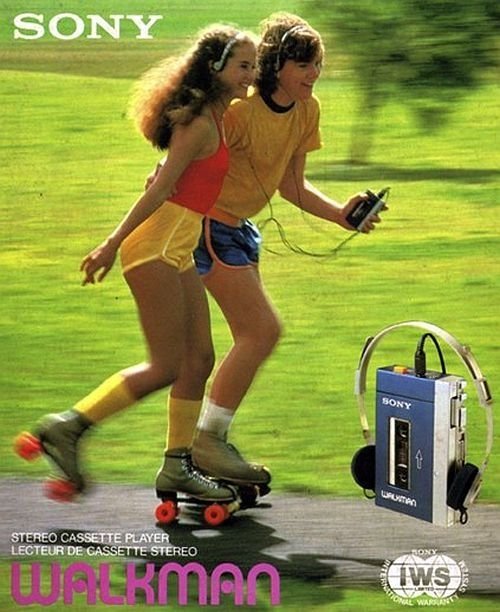
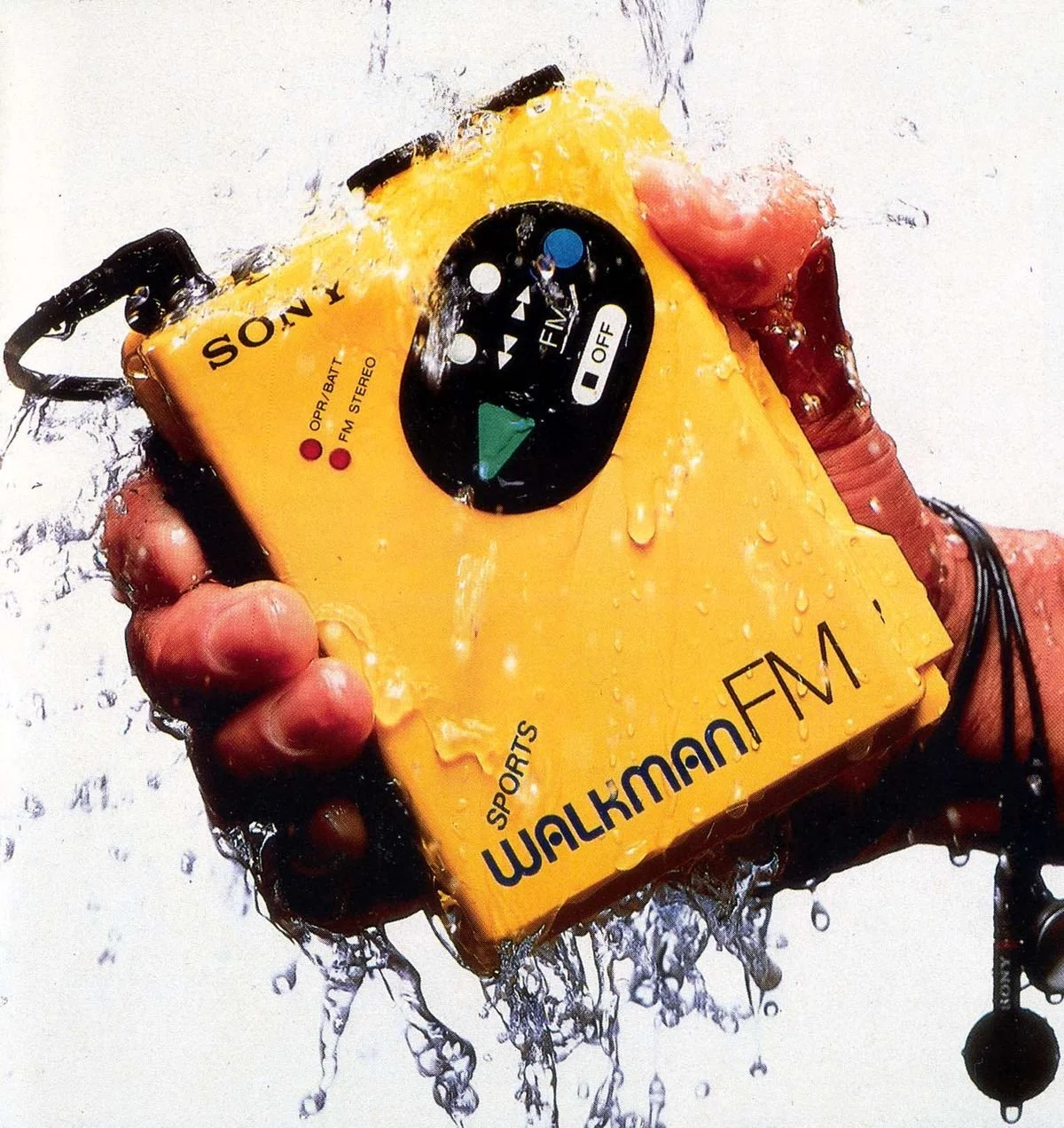
A brand isn't the name. The name is the receipt. What the receipt was for is a position in someone's life, and positions don't stay put. They move with behaviour, with technology, with whoever describes the feeling best at the moment it changes shape. You can hold the trademark for fifty years and lose the thing it pointed to in eighteen months.
There's a coda that complicates the moral. The iPod didn't keep the meaning either. It dissolved into the phone and was eventually discontinued. Today the behaviour the Walkman invented is so universal it's almost invisible. Every train carriage, every footpath, every gym is full of people walking around inside their own soundtrack. The idea won completely. It just doesn't need a brand anymore.
I have three Walkmans in what I think of as my vault of decomposition. They sit alongside Discmans, old scanners and a handful of iPods that haven't been charged in years. I'd love to keep adding to it. But somewhere along the way I stopped needing to. The phone in my pocket does all of it. Why would I want more?
And yet if Sony made a Walkman phone, I'd buy one tomorrow. Which is the strangest part of the story, because for a few years in the mid 2000s, it did. Sony Ericsson put the name on a line of music phones, orange buttons and all, right as the phone was becoming the place music lived. It was the exact moment to carry the meaning across. The name was quietly retired from phones not long after, just as everyone moved their soundtrack onto one.
That's the part that stings a little. The thing I'd still pay for was offered once, at precisely the right moment, and then put back in the drawer.
Which leaves a question sitting underneath every brand that ever owned a feeling. When the thing you meant becomes the way everyone lives, is that your greatest success or your quiet disappearance?
Sony would probably say success. You can still buy one, after all.
