
Here's a Wall
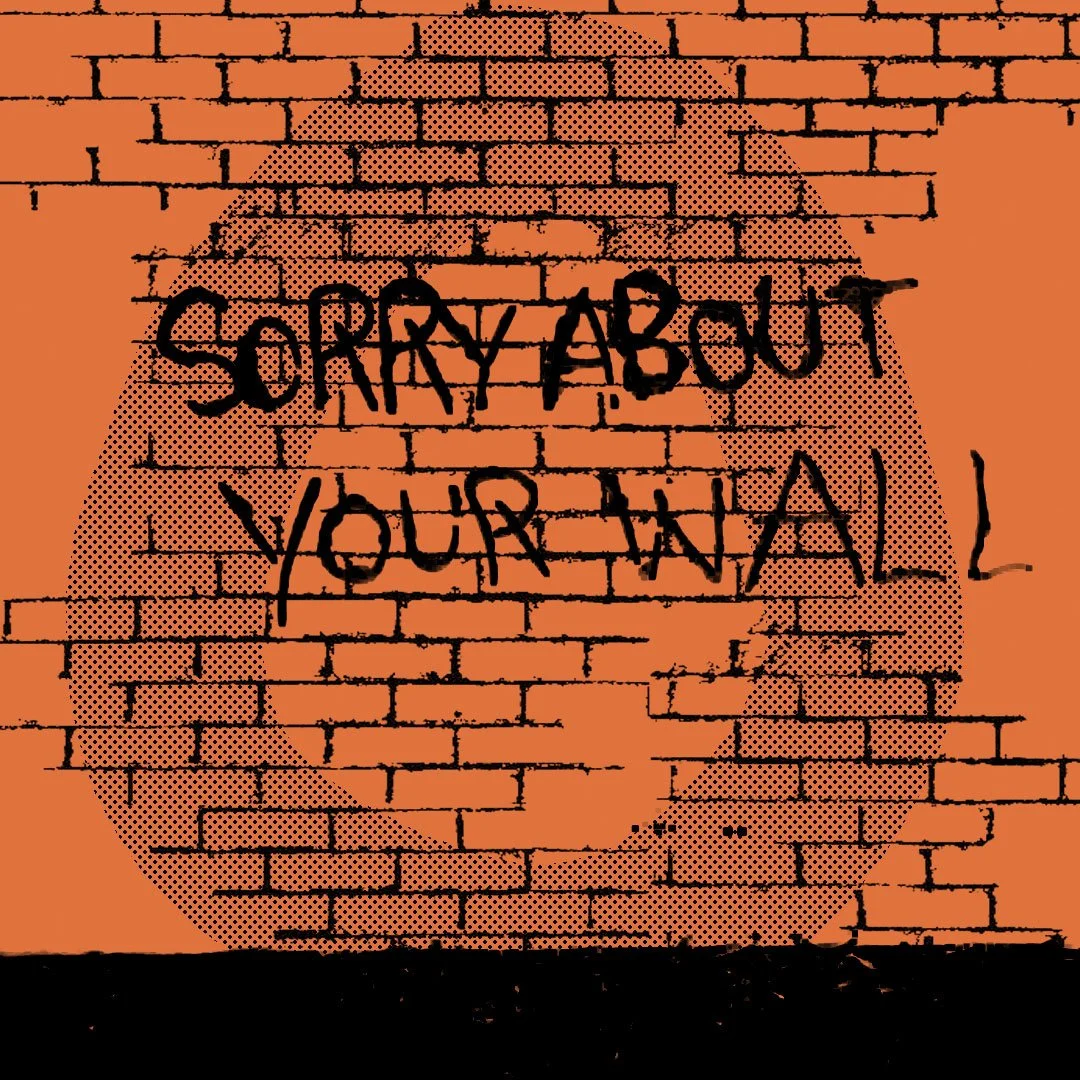
The best public art in this state isn't happening by accident. It's happening because someone refuses to hand over just a wall.
In 2015, a set of grain silos in Northam stopped being infrastructure. Painted top to bottom, they turned a Wheatbelt town into somewhere people detoured to on purpose. Over the next few years, silos across the region followed, and a whole stretch of the state had a new reason to be visited.
It would be easy to call that a happy accident. A big surface, a talented artist, a bit of luck. But behind it sat FORM, an organisation that had spent decades thinking about what creativity can do for a place before anyone picked up a spray can. The silos weren't a wall handed over. They were a wall given something.
That distinction matters, because the other kind of brief is everywhere.
"Here's a wall. Knock your socks off."
The artist gets a surface, a budget and something that sounds like freedom. Everyone leaves the meeting happy. But early in my career I learnt to be wary of that kind of brief. "Do something cool." "We trust you, go for it." It reads as trust, but it hands over responsibility without handing over anything else. No context, no audience, no reason for the work to exist. You make something competent and decorative that could live anywhere. That last part is the tell.
“Every site has a story that predates the project, and the art is often the only part of a development that can carry it forward.”
The people doing this well have worked that out. They spend their energy in the space between the wall and the artist, which is where meaning gets made. At Subi East, Apparatus brought Noongar artists together with an Elders group and experienced mentors to create a series of markers for the six seasons. The artworks are what you see. What you don't see is the scaffolding: the conversations, the cultural authority, the time for artists to grow into work at that scale. That scaffolding is why the markers belong to the place rather than to a portfolio.
None of this is more constrained than a blank wall. It's richer, because a good brief reads the site before anyone draws on it.
It starts with the surrounds. Who passes this wall, and how fast? Art seen through a windscreen at sixty kilometres an hour asks for something different from art found at walking pace in a laneway. Where does the light fall at five o'clock? What does someone see first as they turn the corner, and what do they see last as they leave?
Then the meaning of the location. What was here before the slab was poured? A creek, a market, a meeting place, a name that no longer appears on any map. Every site has a story that predates the project, and the art is often the only part of a development that can carry it forward.
And then the built form itself. The wall isn't a canvas floating in space. It belongs to a building with its own materials, rhythm and scale. Sometimes the art should complete the architecture, picking up a line or a texture the architect started. Sometimes it should push against it, softening something hard or bringing warmth to something anonymous. Either way, it should feel like it was always meant to be there.
“Public art is one of the few things a project leaves behind that isn’t for sale.”
An artist given all of that isn't being boxed in. They're being given something to respond to.
For developers, that's the opportunity. Public art is one of the few things a project leaves behind that isn't for sale. The homes get sold, the display village comes down, the sales office becomes a café. The art stays. It has to earn its keep with people who never signed a contract, who walk past it every day and decide, slowly and without ceremony, whether it's theirs.
People make that decision about walls that were given something. FORM and Apparatus are proof it can be done, and done here.
Here's a wall. The more interesting brief is everything after the full stop.
