
Skeuomorphism: Why the future still sounds like the past
Skeuomorphism is design’s comforting little lie. It’s when new technology pretends to be old technology so we don’t panic.
The digital button that looks pressable. The note app that once had stitched leather. The camera shutter sound that fires even though nothing is physically opening or closing. It’s design whispering: Relax, you already know how this works.
Even though the tech has moved on, branding hasn’t fully let go. And honestly? That’s kind of beautiful.
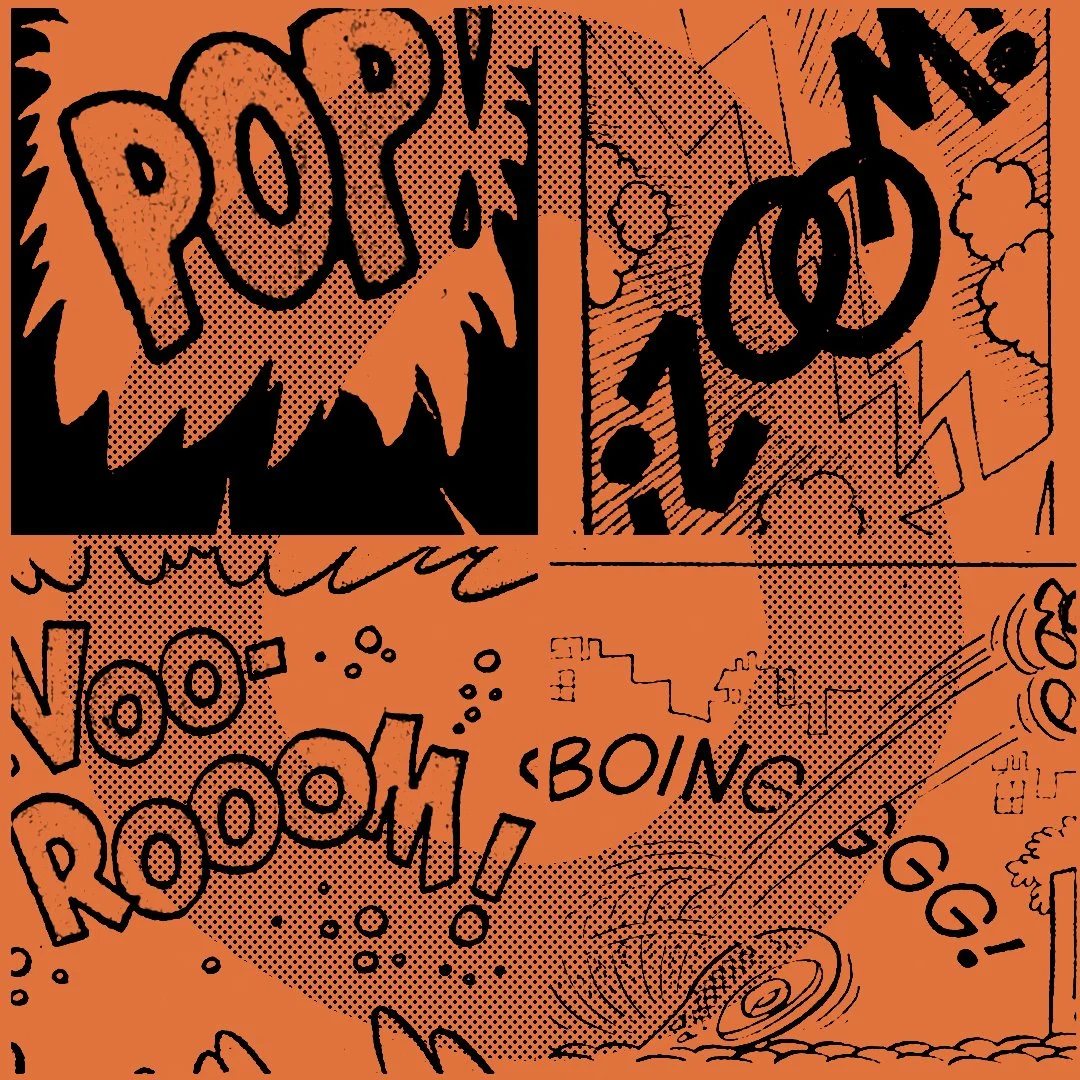
Sound branding is where skeuomorphism is still absolutely thriving. Think about it: the “click” when you take a photo, the whoosh of an email sending, the vinyl crackle layered into a modern track, the cassette hiss added to a hyper-polished digital song. None of it is necessary. None of it is efficient. All of it is emotional. These sounds don’t exist because the machine needs them...they exist because we do.
This is where the euphoria comes in. Skeuomorphism isn’t about accuracy; it’s about memory. It triggers something familiar in our nervous system. It reminds us of tactility, friction, effort. In a world where everything is instant, these cues slow things down just enough to make them feel real. Like digital nostalgia baked straight into the interface.
“Skeuomorphism lives on — not as nostalgia, but as emotional design for humans who still need to feel something.”
Branding leans on this all the time. New products still “click.” Apps still “snap.” Logos animate with mechanical logic even when nothing mechanical is happening. It’s not laziness, it’s empathy. Designers know that progress without reference feels cold. Skeuomorphism softens the future. It gives technology a heartbeat.
And the fun part? We all know it’s fake. We know there’s no reel-to-reel tape behind the music. No shutter behind the photo. No paper behind the note. Yet when the cue hits, our brain lights up anyway. That’s the magic trick. Old habits, new tools, tiny hits of joy.
Maybe skeuomorphism isn’t outdated at all. Maybe it’s branding’s quiet admission that progress works best when it feels familiar.
