
Innovation Doesn’t Always Mean ‘New’
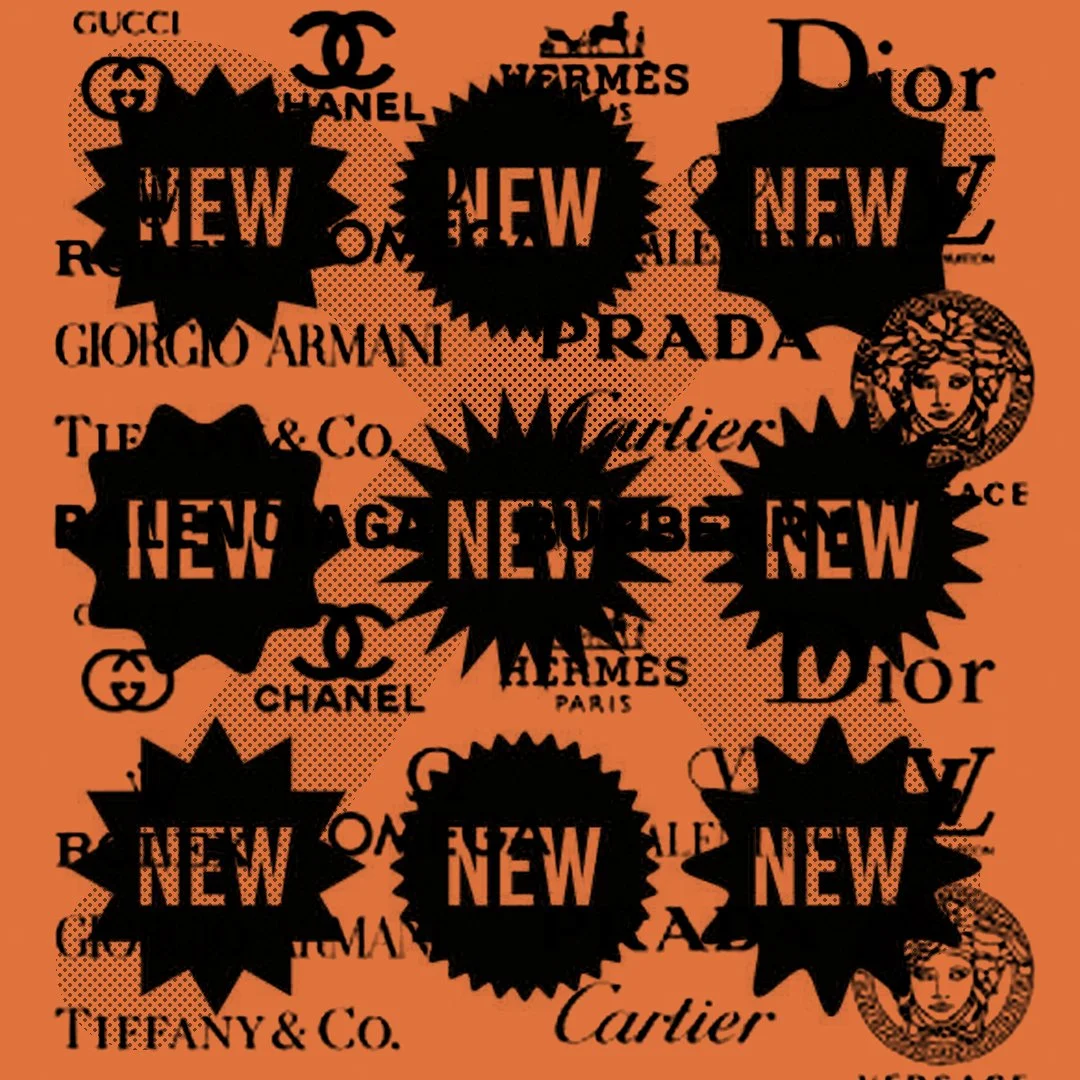
Why relevance beats novelty…especially in luxury brands.
Luxury brands have a habit of drifting toward extremes. Some cling tightly to heritage — the archives, the legacy, the stories that built them. Others lunge hard toward whatever is trending, hoping that newness alone will carry them into cultural relevance. Both instincts come from understandable places. Heritage feels safe. Novelty feels exciting. But the world luxury brands now operate in is far more complicated than that binary.
Today’s audience is sophisticated, culturally literate, and spending half their lives online. They see through gimmicks immediately, and they can sense when a brand is hiding behind nostalgia instead of intention. They don’t want to be impressed; they want to feel connected. They want to recognise themselves in the brand. They want the brand to understand the moment they’re living in. And that requires something much deeper than “old” or “new.” It requires relevance.
Relevance is harder to pin down because it isn’t about invention...it’s about resonance. It’s that subtle feeling that a brand knows who it is, knows what it stands for, and knows how to translate that into the present moment. You can’t fake it with trend-chasing. You also can’t rely on a heritage story that’s been repeated so many times it’s lost all texture. Relevance demands clarity: a brand understanding its own DNA well enough that any evolution feels natural rather then try hard.
“True luxury isn’t loud. It doesn’t need to reinvent the world every season. ”
The interesting part is that some of the strongest luxury brands right now aren’t the ones releasing the most “new.” They’re the ones refining what they already know. Think of how Loewe elevates craft without reinventing its identity, or how A.P.C. remains consistent in tone while quietly improving its product. Innovation becomes less about adding layers and more about revealing the essence. It’s a shift from “What else can we do?” to “What can we do more meaningfully?”
That’s the quiet side of innovation, and sometimes that is the part people tend to overlook. The part where a brand strips away noise, clarifies its point of view, and becomes more itself. It’s not dramatic. It doesn’t always land on the front of Vogue. But audiences feel it instantly. They recognise when a brand is communicating from a place of confidence rather than anxiety, depth rather than desperation.
True luxury isn’t loud. It doesn’t need to reinvent the world every season.
I'd like to end this with one sentiment…"The most powerful form of innovation is restraint".
A few brands stand out not because they reinvent themselves, but because they refine themselves. Here are three that do it beautifully.

Loewe — Innovation Through Clarity, Not Reinvention
Loewe isn’t loud. It never has been.
What Jonathan Anderson did wasn’t “newness”…it was a re-alignment. He distilled the brand into its core truths: craftsmanship, materiality, humour and a kind of elevated oddness. No theatrics, no forced trends, just clarity. Loewe innovates by refining its own language, pushing it forward without breaking it apart. It’s a masterclass in knowing who you are so well that every evolution feels inevitable.

MAAP — Performance Elevated Through Restraint
MAAP could have easily leaned into hyper-tech, neon-heavy sports aesthetics.
Instead, they carved out a new space in cycling by applying design restraint. Their colour palettes, materials, and silhouettes feel premium not because they’re flashy, but because they’re intentional. Innovation shows up in precision: cuts, fabrics, considered details. It’s luxury-by-function — where every choice is doing something, not saying something. MAAP is a reminder that relevance can come from refinement, not reinvention.

A.P.C. — The Quiet Power of Consistency
A.P.C. is proof that you can stay relevant for decades by resisting the urge to reinvent yourself every season. Their innovation is subtle: better denim, sharper tailoring, cleaner lines. Small improvements that compound into a brand people trust. A.P.C. doesn’t chase cultural moments — it quietly outlasts them. And in a landscape obsessed with “new,” their consistency is their innovation. It’s the type of luxury that whispers instead of shouts.
