
Frank Gehry and the Courage to Break the Line
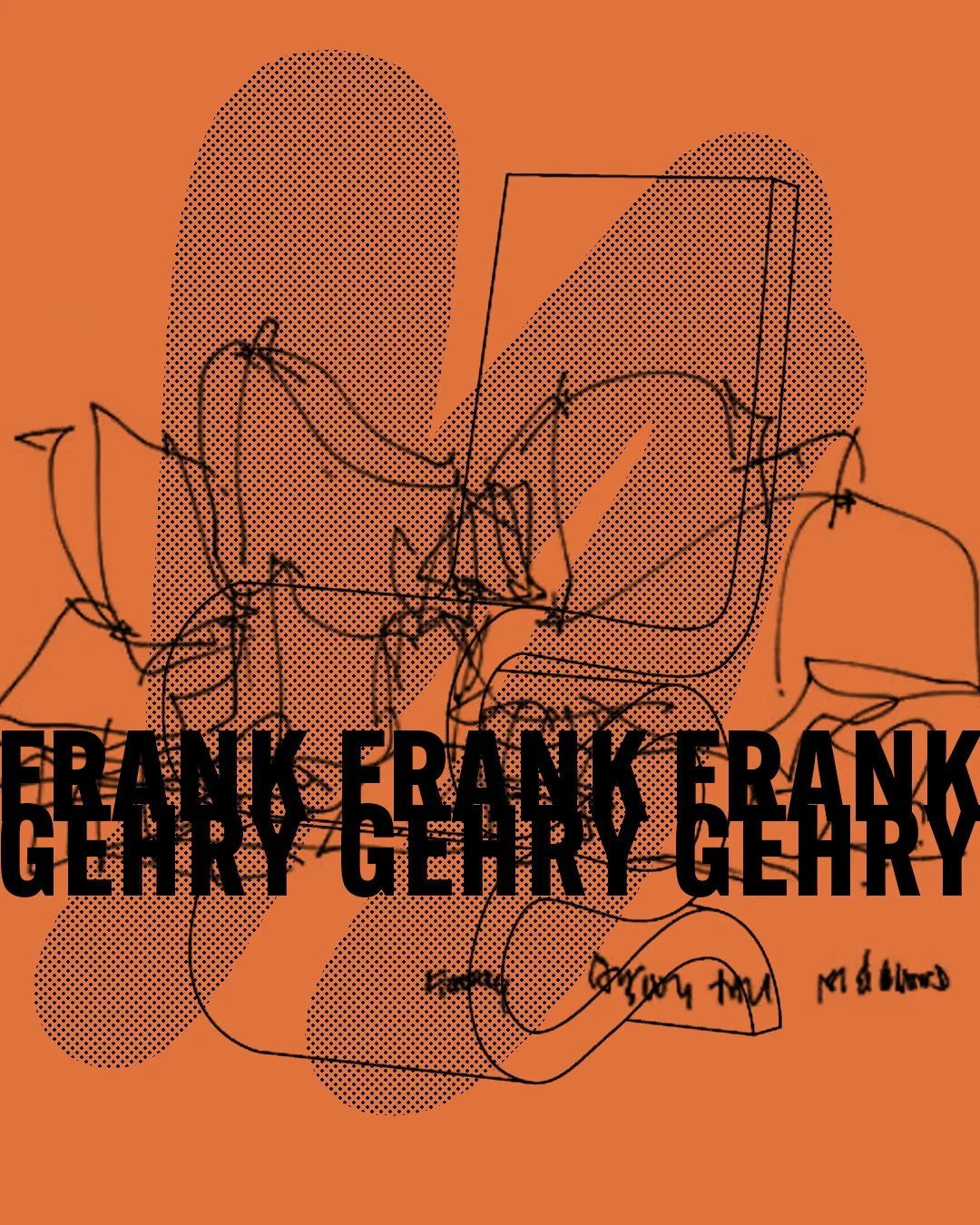
Frank Gehry once said, “Architecture should speak of its time and place, but yearn for timelessness.”
Few designers have embodied that paradox with as much defiance or delight as he did. Gehry treated buildings not as static objects but as emotional gestures: folds of metal that captured movement, play, disobedience. He refused the polite box. He refused the idea that function must look a certain way. He refused to let architecture become predictable.
And that’s why his work lives on…not just in titanium curves or museum postcards, but in permission. Gehry gave designers license to provoke, to distort, to question why the world settled for straight lines in the first place. His legacy isn’t a style; it’s an attitude. A reminder that the future is shaped by those willing to redraw the boundary between what should be built and what could be imagined.
In every discipline, not just architecture, that impulse endures…dare to make something that doesn’t fit until it suddenly defines the era.
Thank you, Frank…may the courage in your work continue to live on through those still daring to redraw the world.
“Architecture should speak of its time and place, but yearn for timelessness.”
Three Moments That Shaped Frank Gehry
1.
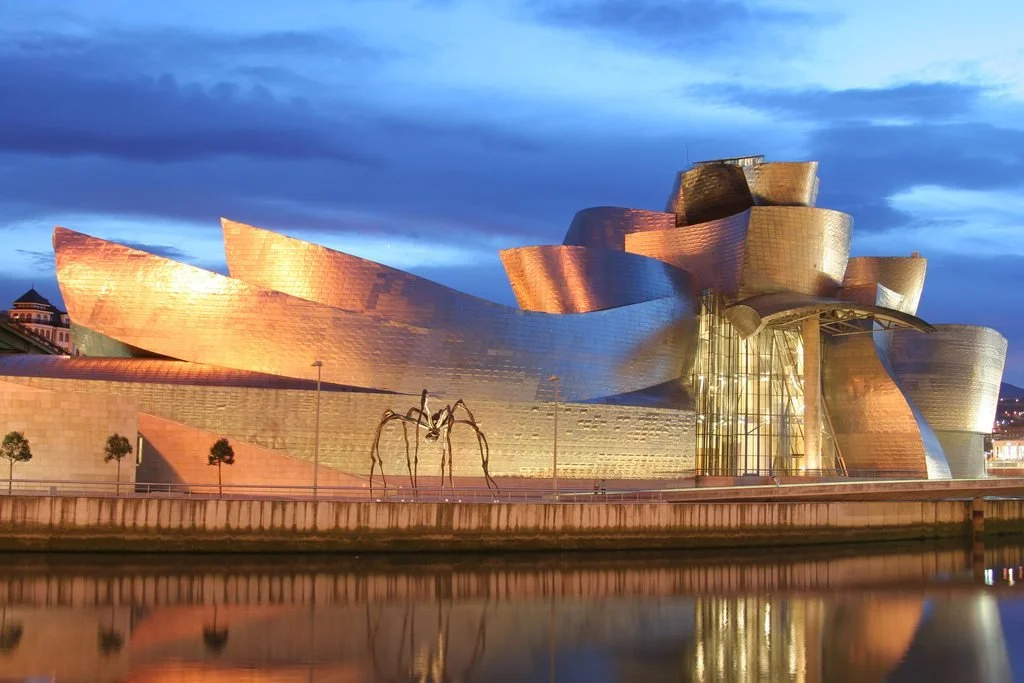
The Bilbao Effect
The Guggenheim Museum Bilbao didn’t just cement Gehry’s career — it rewrote the playbook for cultural architecture. A single building revived a city’s economy, reshaped global tourism, and proved that audacity could be a form of civic strategy. “The Bilbao Effect” became shorthand for the power of design to shift an entire region’s destiny.
2.
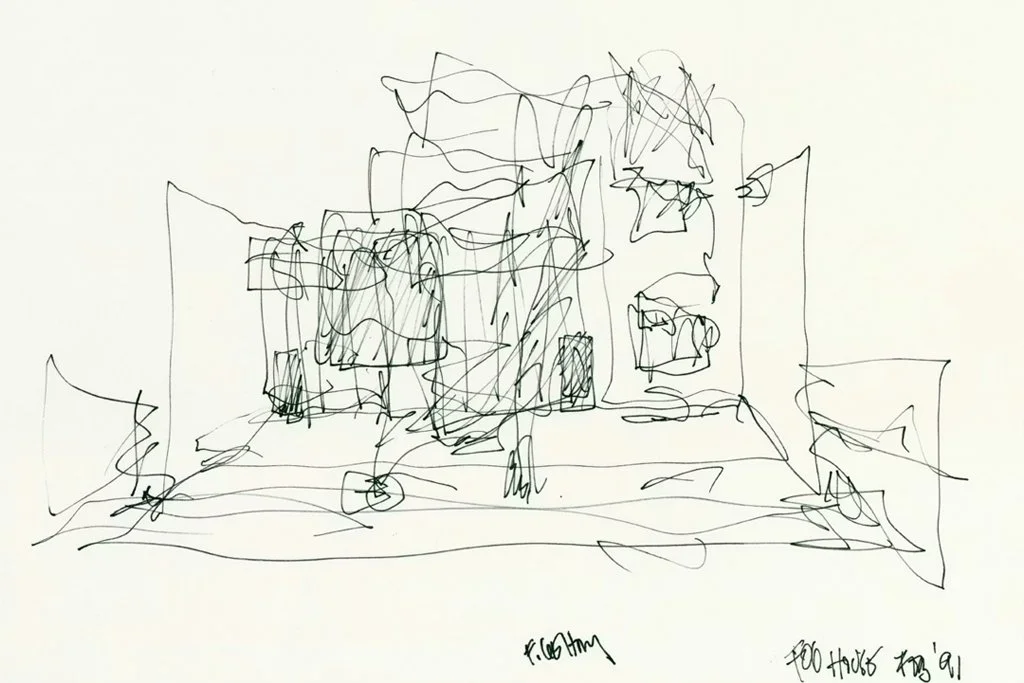
The Crumpled Paper Sketch
One of Gehry’s most iconic moments wasn’t a building at all — it was the gesture of crumpling a piece of paper to explain a form. That scrap became a symbol of his philosophy: raw, instinctive, imperfect beginnings can lead to world-changing ideas. It reframed sketching as risk-taking, not refinement.
3.
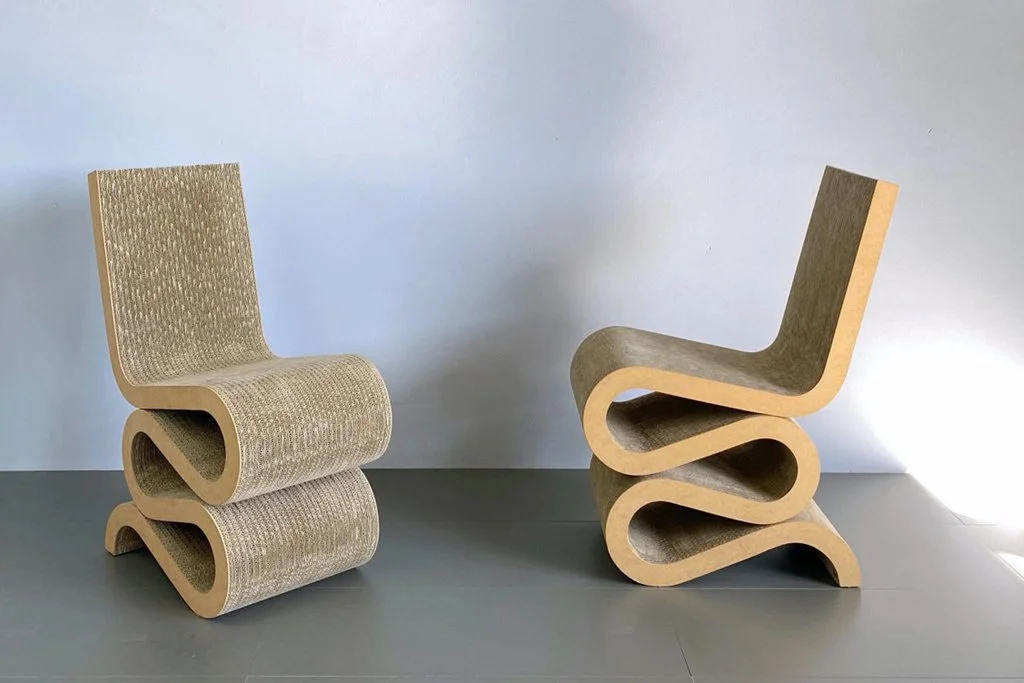
The Cardboard Chair That Shouldn’t Have Worked
Early in his career, Gehry created the Easy Edges series — furniture made entirely from layered cardboard. It was humble, recyclable, structurally risky… and unexpectedly elegant. The project proved that material innovation doesn’t require luxury, only curiosity. Designers still cite it as a moment when Gehry broke the rules not for spectacle, but for possibility.
