
The Address Was the Brief
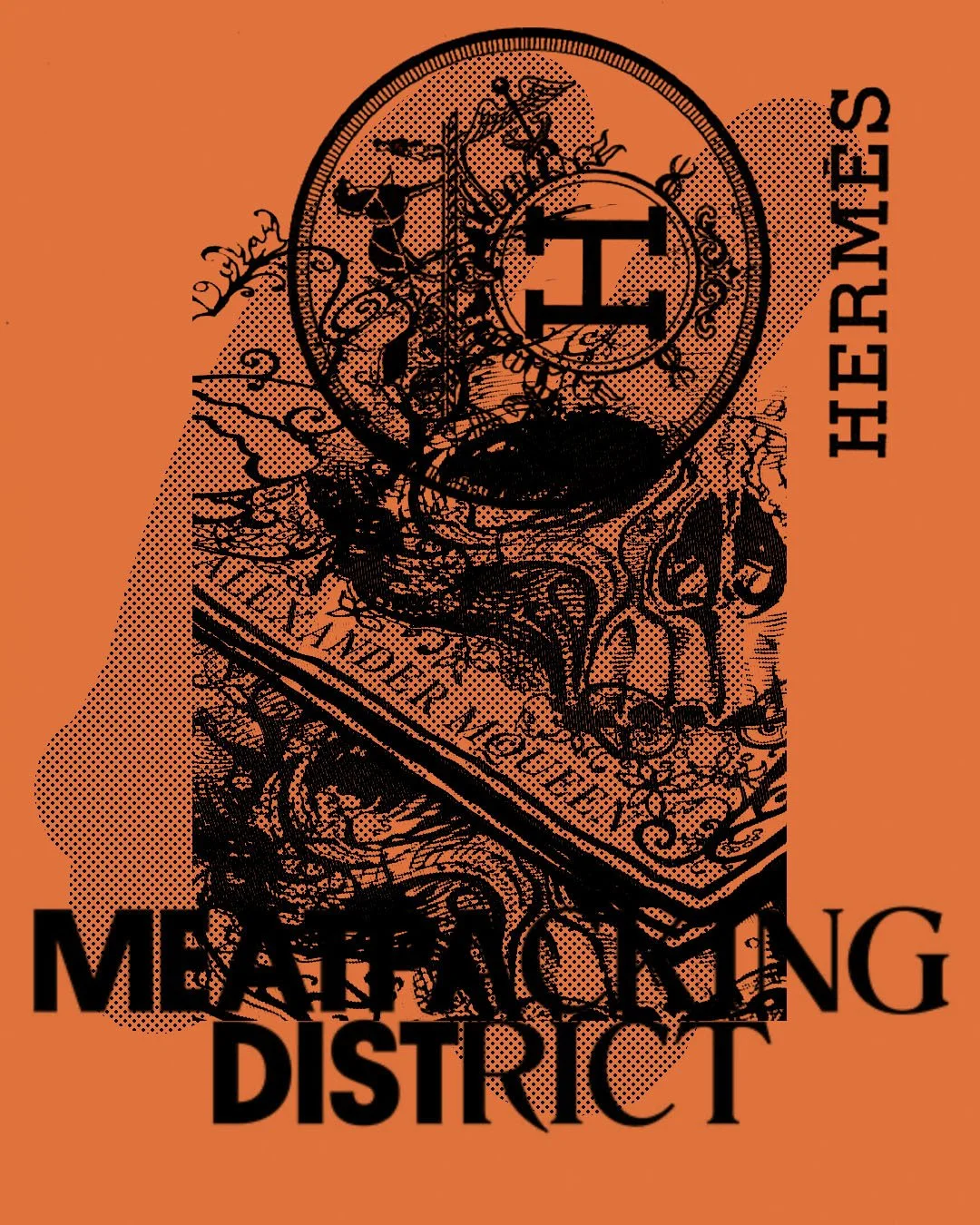
Sometime in 2024, the last of the meatpacking operations on Little West 12th Street were asked to go. The city was polite about it...framing their departure as opportunity, a redevelopment, a reimagining of sixty-six thousand square feet that would eventually include housing, an expansion of the Whitney Museum, and new public space. The meatpackers had been hanging on for years, still arriving before dawn, still moving carcasses through loading bays that had done exactly that for over a century. Their departure was, practically speaking, inevitable. Culturally speaking, it is something worth pausing on.
Because when they leave, what remains will be a neighbourhood that carries the memory of its industry without the industry itself. A place that trades on a residue that is no longer being produced.
I walked those streets many decades ago, at a point when the cobblestones still smelled of what they had always been. I remember finding galleries behind what looked like sealed buildings...a dull wall, and then suddenly a door, and inside it, light. Not the curated light of an established institution but something more provisional, more alive: the light of a space that had recently been a cold storage room and hadn't quite decided what it was becoming. That quality...a place mid-transformation, neither one thing nor the other...was precisely what made it magnetic. Design culture, it turns out, is extraordinarily sensitive to that feeling.
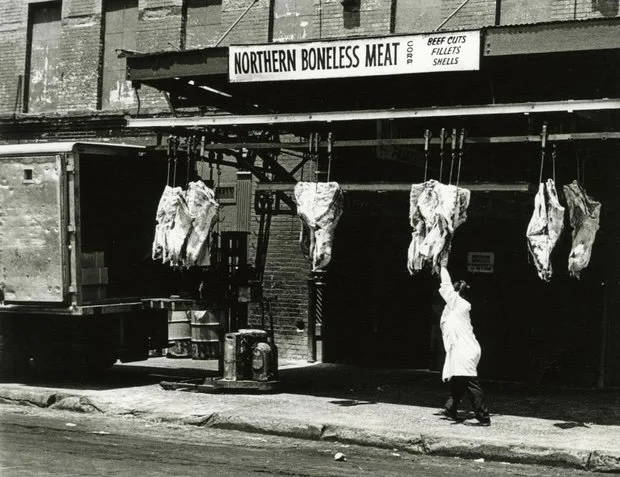
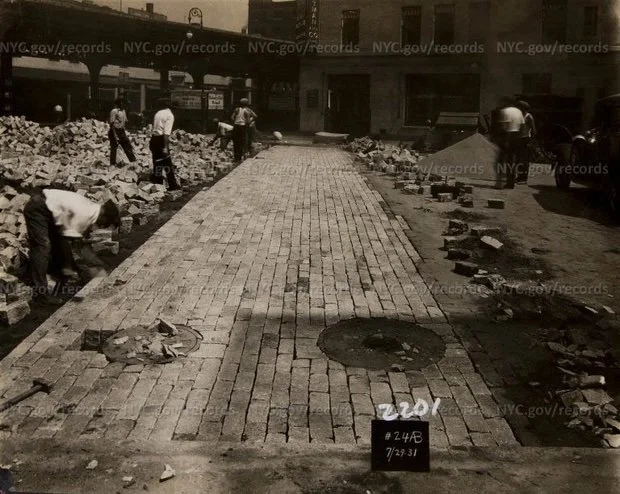
The neighbourhood's history runs in layers. By 1900, approximately two hundred and fifty slaughterhouses operated within its boundaries. By the 1970s, as the meat industry decentralised, the largely emptied streets had been claimed by underground nightlife and the city's LGBTQ community...bars, clubs, an after-hours culture that understood, instinctively, the value of being left alone. The Meatpacking District had learned, before the designers arrived, how to hold a certain kind of freedom.
The designer who first understood the commercial implication of that freedom was Jeffrey Kalinsky, whose luxury boutique Jeffrey opened on West 14th Street in 1999. Within three years, Alexander McQueen had opened its first American store on the same block, and Stella McCartney had opened her first store anywhere just a few doors down. McQueen named the logic plainly:
“An exciting energy that is unique for New York and totally right for McQueen.”
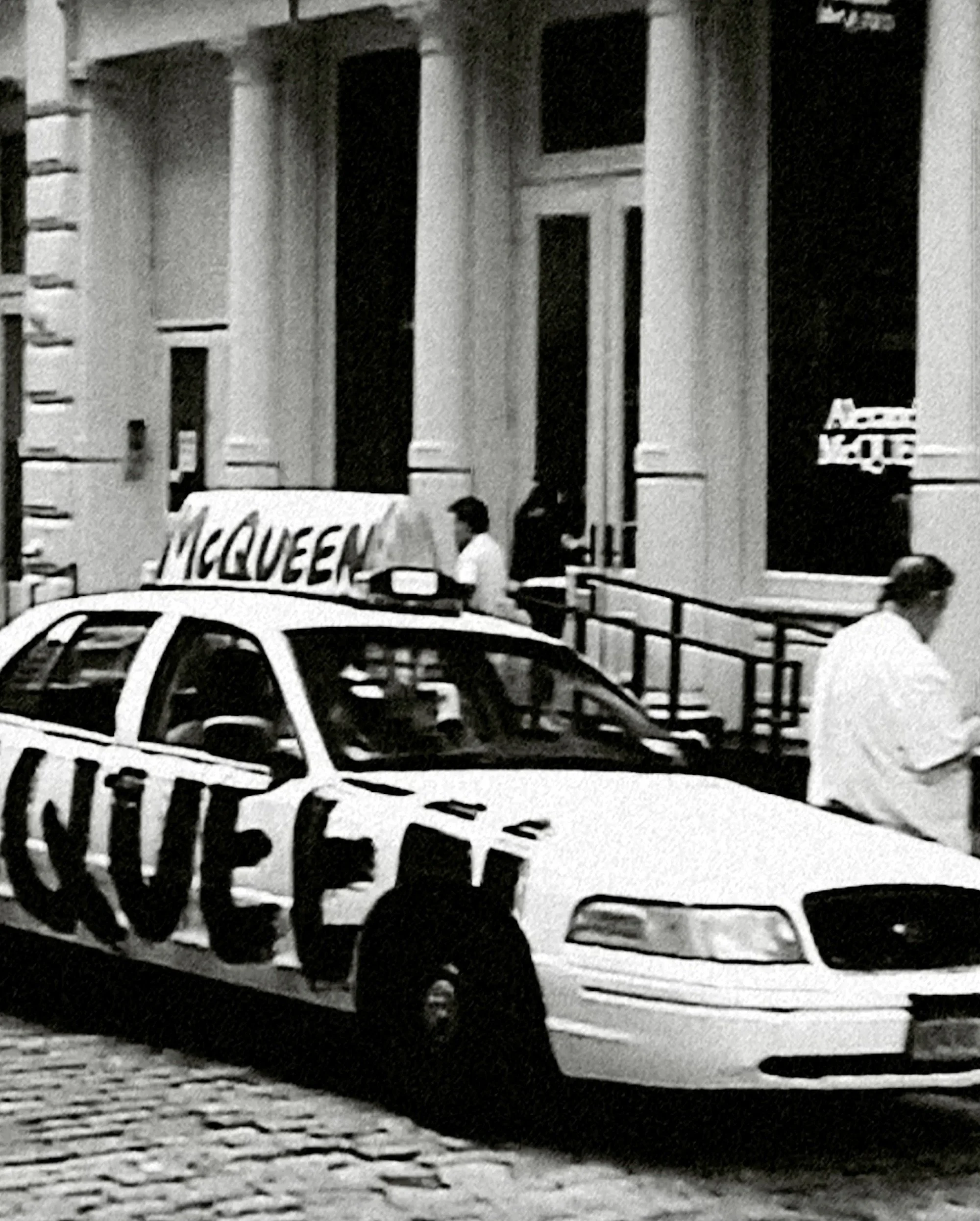
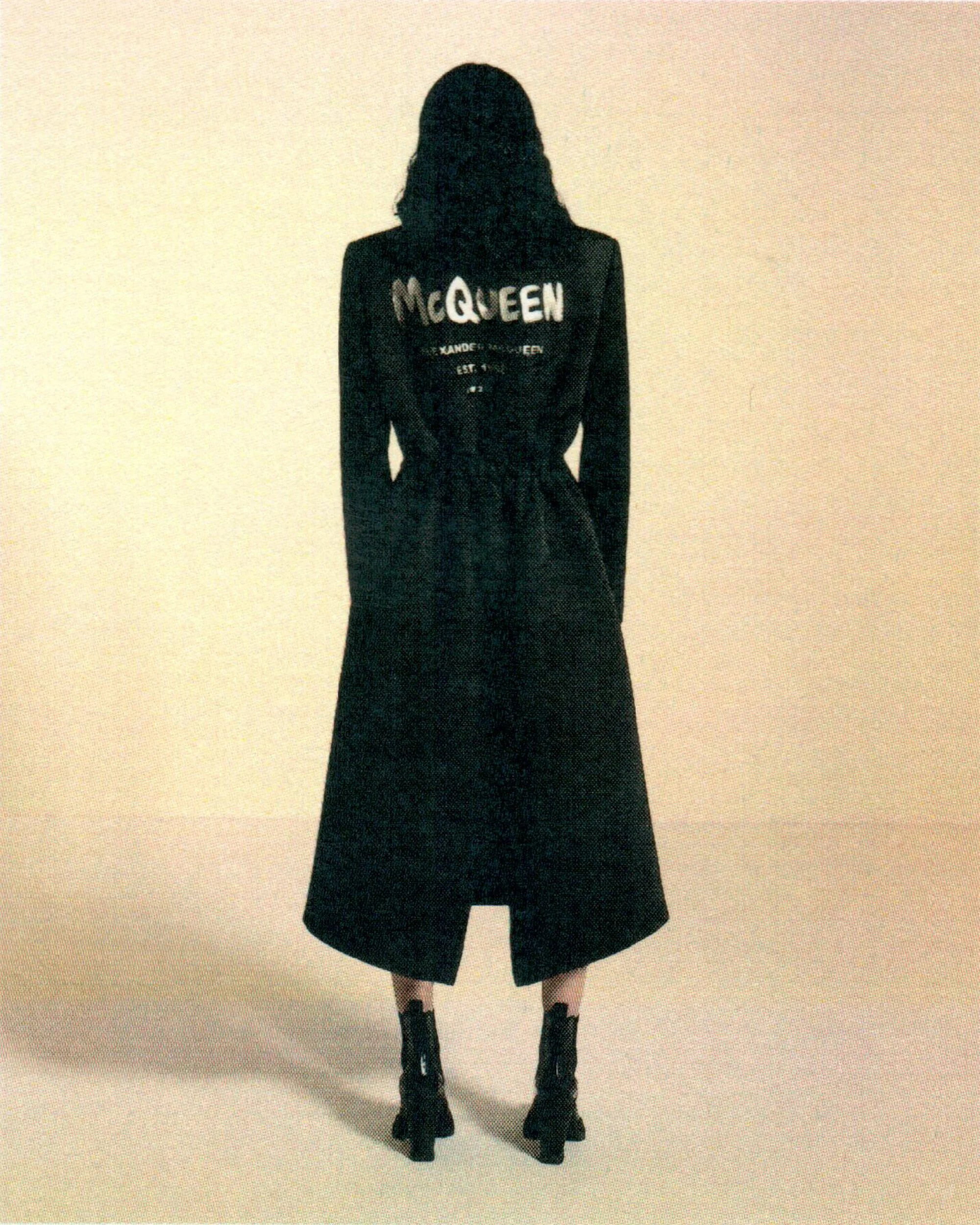
He wasn't describing foot traffic or demographics. He was describing a feeling...and saying it belonged to his brand.
Diane von Furstenberg had arrived even earlier, converting a carriage house on West 12th Street into her design studio. The neighbourhood was run-down, not a typical location for a fashion house.
“Not a typical location to drop in a fashion house, but I didn’t care.”
She stayed for decades, eventually preserving the industrial facade of a larger building and transforming the interior behind it. The architecture of that decision is almost a manifesto for what the whole neighbourhood was doing.
What were these designers actually doing when they chose this address? The easy answer is that they were chasing cool. The more interesting answer involves something branding practitioners understand and rarely say directly: they were borrowing authenticity they had not themselves produced. The district's cobblestones, its iron canopies, its history of industry and transgression...these represented cultural capital that no design budget could manufacture. The brands absorbed that meaning by proximity. Their product didn't change. Their context did.
The most telling admission came from Hermès. When the world's most carefully curated luxury house opened a flagship in the district, CEO Axel Dumas framed it not as expansion but as return:
“A wonderful way to reconnect to our roots.”
Hermès...founded on the craft of saddlery, on leather and labour...was reaching back through the neighbourhood's industrial history to find something that resonated with its own origin. The roughness was the point. The roughness was the luxury.
Now the last meatpackers are leaving, and the question the neighbourhood poses quietly is whether that exchange is complete...whether the residue has been fully converted, and what, if anything, remains to borrow against. The cobblestones will still be there. The Whitney and the High Line and the flagships of the world's most considered luxury brands will still be there. But the thing that gave all of those things their particular quality of meaning...the genuine industry, the unresolved edge, the sense that you were somewhere not entirely smoothed...will be a matter of record rather than experience.
I think of those light-filled doors in the dull wall. Whatever was behind them had not yet decided what it was. That uncertainty was the gift. Once a place knows exactly what it is, it no longer offers that particular gift to the person who finds it.
Every city has places still in the middle of becoming...still smelling of what they were, still capable of surprising you with light where you expected nothing. They are always temporary. The good ones, we later discover, were always already becoming something else.
