
The original “shops inside a shop”
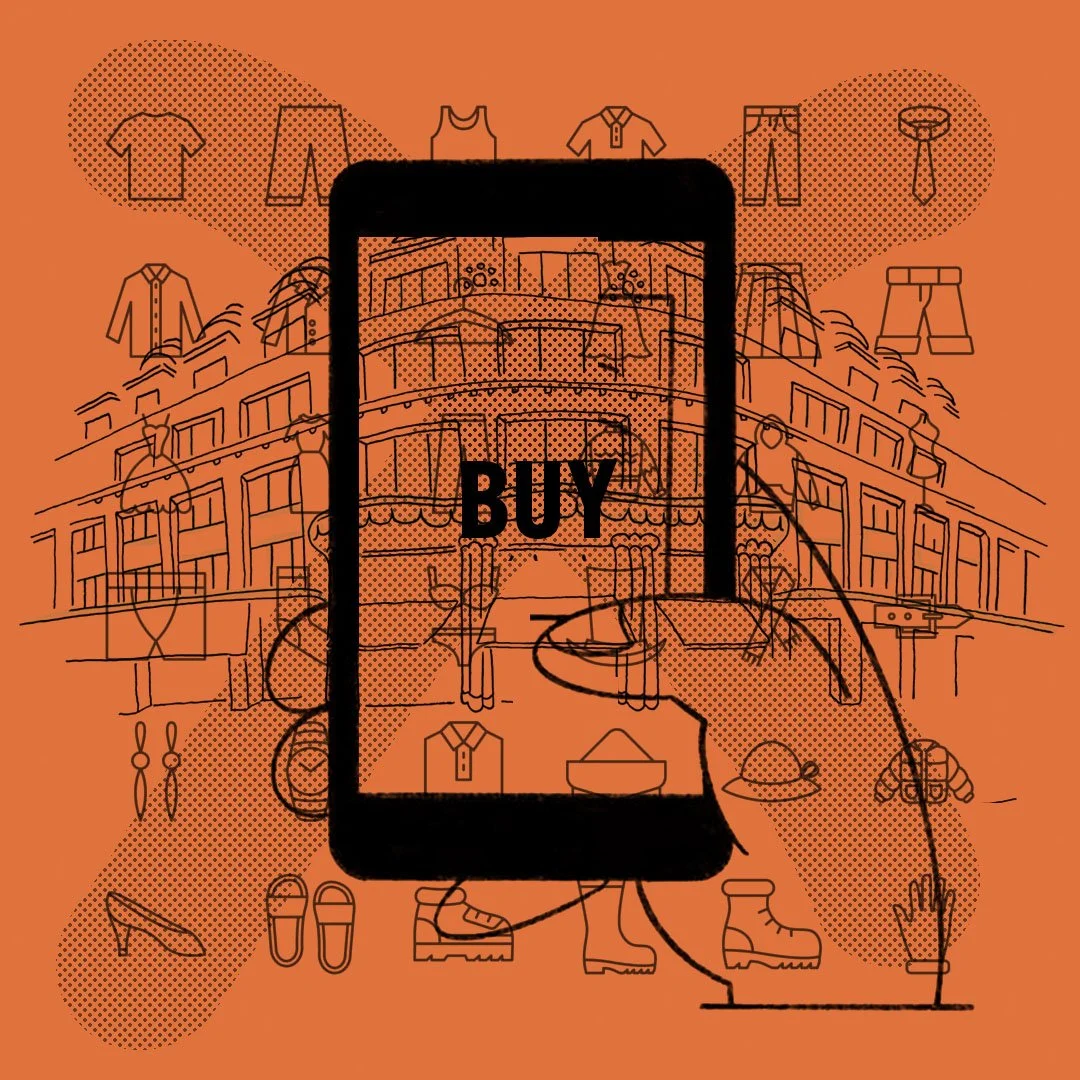
Department stores were once the original platforms. Multiple brands. One roof. Shared foot traffic. Curated discovery. In many ways, they behaved like a physical browser long before the internet existed. Now the browser lives in your pocket and the role of the department store is shifting.
Department stores emerged as curated marketplaces. They solved three problems at once:
Discovery. You could browse multiple brands in one trip
Trust. The store filtered quality for you
Convenience. Fashion, beauty, home, all in one place
In Australia, stores like Myer and David Jones built their value around access. You didn’t visit a brand. You visited a category. The store owned the audience. Brands rented the space.
This is almost identical to marketplaces today. Amazon. The Iconic. Asos. Even Instagram Shops. The difference is physical stores created friction. Online removed it.
What the internet changed
The internet did not just compete with department stores. It unbundled them and each brand suddenly had:
its own website
its own marketing
direct shipping
direct customer data
The department store stopped being the only gateway.
Now the journey often looks like this:
See in store
Try in store
Check phone
Buy online
Sometimes even from the same brand, sometimes not. Department stores became showrooms without always owning the sale.
Are brands inside department stores dropping off?
Some are, but not in a simple way. What’s happening is a split of brands that benefit from touch still value department stores:
beauty
fragrance
premium fashion
homewares
gifting
Brands that are size predictable or repeat purchase are moving online:
basics
footwear (once you know size)
electronics
accessories
So the department store is shifting from transaction space to experience space. Testing ground is exactly right. Many consumers now treat department stores as:
try before buying
compare brands quickly
validate quality
then purchase online
Retailers know this, some even lean into it.
Are people leaving home less
Yes. But the bigger change is intent, people used to browse casually, now they visit with purpose. Department stores once relied on wandering, now they need reasons:
• events
• launches
• exclusives
• services
• styling
• personal shopping
The store has to offer something the browser cannot.
What the future looks like
The future department store is less warehouse, more platform.Likely directions:
Experience hubs
Facials. Styling. Alterations. Events. Cafes. The store becomes social again.
Brand rotation
Short-term brand residencies. Like pop-ups inside a permanent shell.
Online integration
Scan in store. Buy later. Wishlist synced. Loyalty across both.
Private label growth
Stores creating their own brands to protect margin.
Service layering
Personal shoppers, curated edits, expert advice.
Smaller footprints
Less inventory. More display. More theatre.
The bigger observation
Department stores invented the marketplace model, now the internet scaled it, so the physical store is being redefined as:
Discovery
Validation
Experience
Community
Transaction is no longer the only job.
They are becoming the physical front end of a digital ecosystem. Which ironically brings them full circle. Still a browser. Just one you can walk through.
